







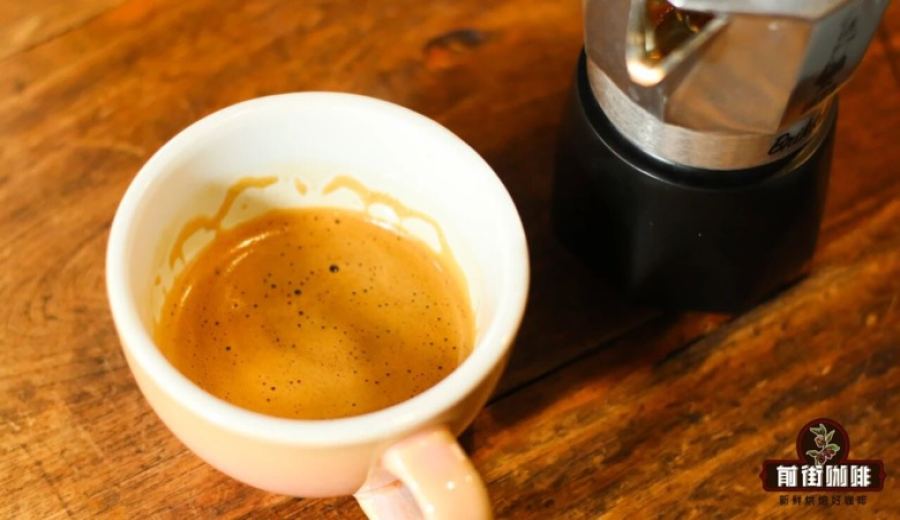
Introduction:Want to understand how a moka pot can transform the flavor profile of single-origin beans? This article presents real-world tests of three classic bean varieties—Golden Mandheling, Papua New Guinea Paradise Bird, and Colombian Gesha—exploring how factors such as roast level, grind size, and extraction time affect their unique performance in a moka pot. We also offer practical parameter recommendations to help you find your ideal combination.
Brewing single-origin beans with a moka pot can reveal flavor layers completely different from those achieved through pour over or drip brewing. This traditional Italian device, which uses high-pressure steam for rapid extraction, can intensify certain richness in the beans while also amplifying any flaws. We selected three representative single-origin beans—Golden Mandheling, Papua New Guinea Paradise Bird, and Colombian Gesha—to test their performance in a moka pot, helping you identify the best match for your taste.
Our top recommendation, Golden Mandheling, is a classic among dark-roast single-origin beans. These beans from Sumatra naturally feature low acidity, intense herbal and dark chocolate aromas, along with a hint of earthiness. When using a moka pot, it’s recommended to choose a medium-dark roast and a medium-fine grind (approximately 70% through a #20 sieve), with an extraction time controlled between 25 to 30 seconds. This approach highlights the coffee’s sweetness and rich body, delivering a smooth mouthfeel and long-lasting aftertaste. It’s great for drinking straight, can be diluted with water for an Americano, or mixed with milk to create a bold latte. Its stability makes it an excellent choice for moka pot beginners and fans of strong flavors.
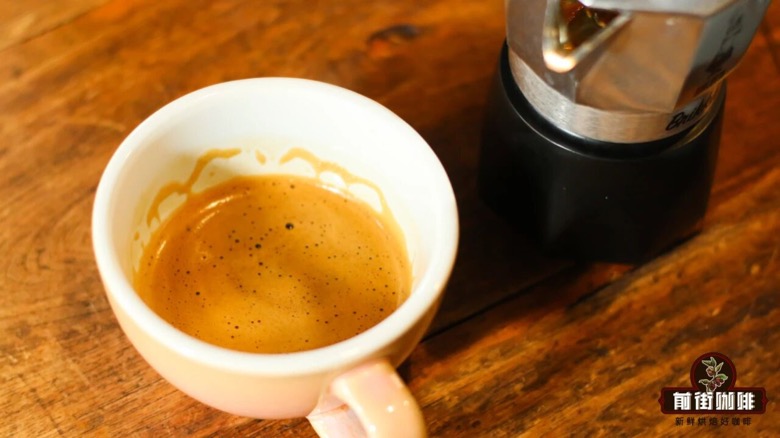
If you’re looking to explore a different flavor profile, Papua New Guinea Paradise Bird might be a pleasant surprise. This bean, processed via washed method using the Typica variety (which shares origins with Blue Mountain), retains a clean and pure taste with prominent sweetness and elegant notes of nuts, cocoa, and caramel. In a moka pot, its clarity remains outstanding, and its body is even more pronounced than with pour over. The overall flavor resembles a milder, more affordable version of Blue Mountain, making it an ideal everyday brew. For best results, use a medium roast with a medium-fine grind and an extraction time of around 25 seconds to bring out its balanced and layered characteristics.
Colombian Gesha, on the other hand, is the “wild card” in the moka pot world. This bean undergoes a double anaerobic natural process, and a medium-light roast preserves a wealth of fruity aromas, interwoven with notes of passion fruit, blueberry, and grape. However, successfully extracting these bright acids and fruit flavors in a moka pot requires precise control over parameters. It’s recommended to use a medium-fine grind, slightly coarser than that for Mandheling, with an extraction time not exceeding 25 seconds. Be cautious not to use too much heat, as over-extraction can easily lead to bitterness that overshadows the fruitiness. When done right, you’ll experience clear fruit acidity and sweetness in the concentrated brew. It’s recommended to serve it over ice or pair it with sparkling water to make a fruity coffee, offering a refreshing and distinctive profile that’s a far cry from the traditional boldness of moka pot brews.
In summary, the performance of single-origin beans in a moka pot hinges on the combination of roast level and grind size. Generally, dark-roast beans have a higher margin for error and can remain stable even with slight parameter deviations; however, light-roast beans require more precise adjustments. It’s advisable to start with the grind size recommended by the roaster, then fine-tune based on the actual acidity-sweetness balance of the brewed coffee. A moka pot isn’t just a tool for making espresso-like coffee—it’s a small extraction machine capable of producing a variety of flavors, especially suited for coffee enthusiasts eager to explore the full potential of single-origin beans.
Advanced users can further compare the performance differences of the same bean between pour over and moka pot brewing, experiencing how pressure extraction influences flavor. Keeping records of each session’s grinder settings, grind size, heat level, and extraction time can help you quickly replicate your ideal flavor in the future. Through continuous experimentation, you’ll discover that the moka pot can also showcase the diverse facets of single-origin beans, bringing unexpected surprises.

The above content is compiled by CoffeeHunters, a coffee news website.

