







Introduction:As one of the world’s major coffee-producing regions, Indonesia is renowned for its unique flavor profiles and low acidity, making it highly favored by coffee enthusiasts around the globe. This article delves into Indonesia’s three most representative coffee-growing regions—Sumatra, Java, and Sulawesi—analyzing their growing environments, processing methods, and the flavor profiles of classic beans. It also provides practical brewing parameters to help readers gain a more comprehensive understanding of these iconic Asian coffee beans.
Indonesian coffee is known for its rich, full-bodied character and extremely low acidity, often featuring sweet caramel and dark chocolate notes in the finish. These flavor traits are especially popular among Japanese consumers. As a leading coffee producer in Asia, Indonesia ranks high in global coffee exports, and its coffee culture and cultivation history are distinctly unique.
The Origins and Evolution of Indonesian Coffee
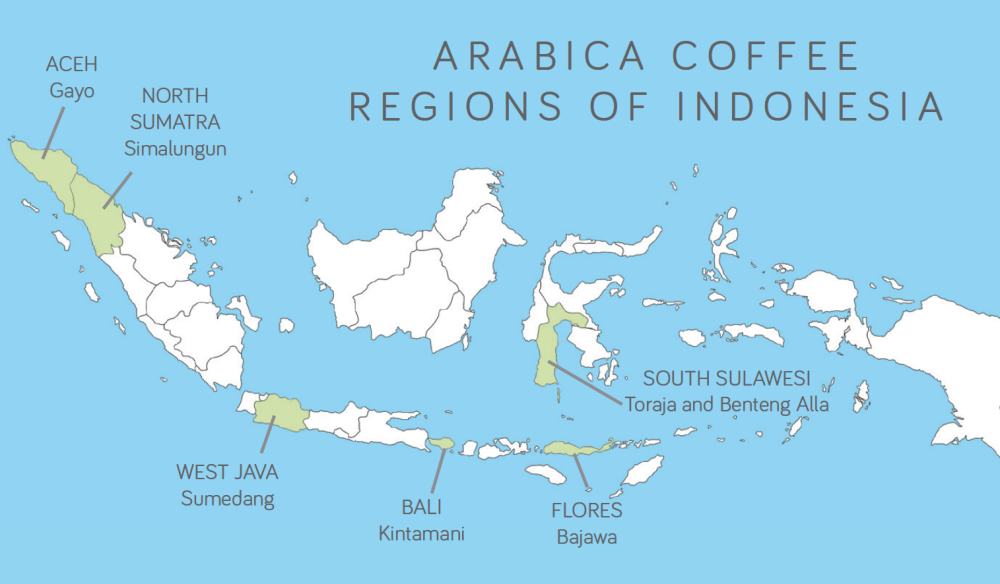
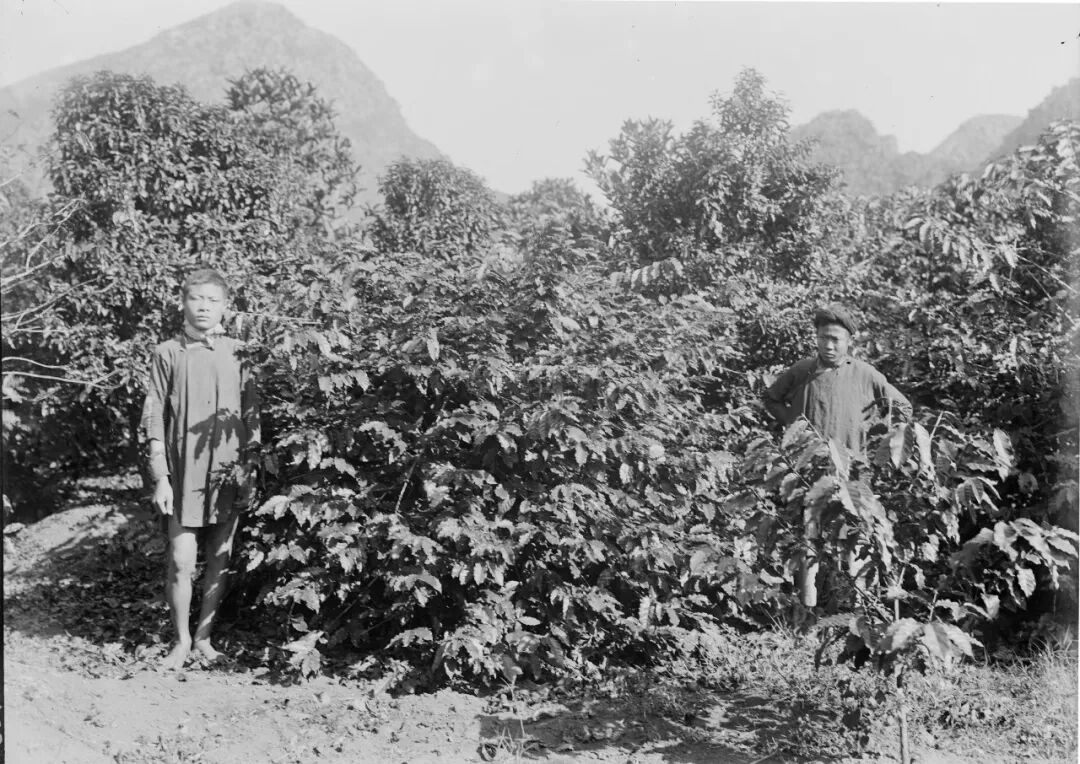
The history of coffee cultivation in Indonesia dates back to 1696, when the Dutch introduced coffee seedlings to the region and successfully planted them on the island of Java. However, by 1877, nearly all of Indonesia’s Arabica coffee trees had been severely affected by coffee leaf rust, leading to near-total destruction. To revive the coffee industry, Indonesia turned to the disease-resistant Robusta variety. This move not only stabilized the economy but also positioned Indonesia as one of the world’s largest producers of Robusta coffee. To this day, Robusta accounts for the vast majority of Indonesia’s coffee production—over 90%—with only 6% to 10% being Arabica. Among the Arabica beans, Mandheling coffee from the Gayo region in northern Sumatra is the most well-known.
Major Coffee-Growing Regions in Indonesia
Indonesia boasts three highly representative coffee-growing regions: Sumatra, Java, and Sulawesi. Sumatra is famed for its dark roast flavors and bold body, making it a favorite among those who prefer intense profiles. Java offers a brighter acidity and delicate fruity notes, while Sulawesi is gaining attention for its unique regional characteristics and balanced flavor profile. These three regions differ not only in geography but also in processing methods and variety selection, contributing to the diversity of Indonesian coffee.
Geographic and Climatic Conditions
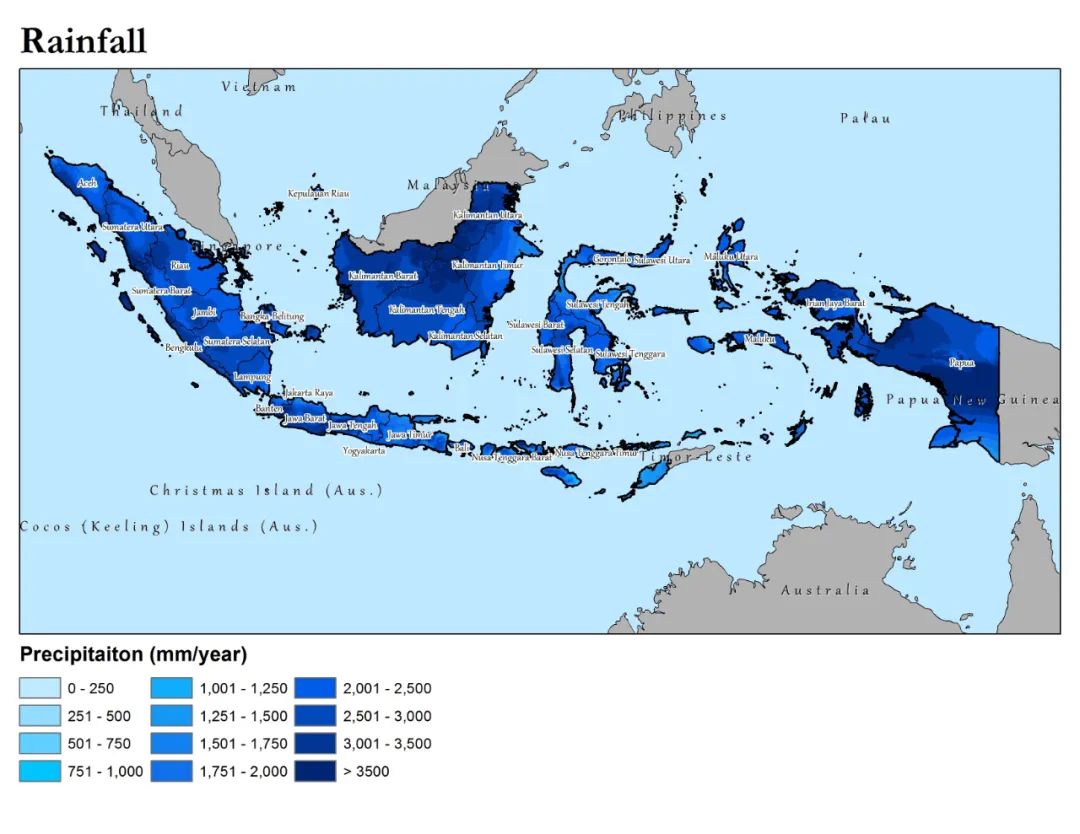
Indonesia has a typical tropical rainforest climate, with an average annual temperature of around 25 to 27 degrees Celsius and no distinct seasons. Annual rainfall ranges from 1600 to 2200 millimeters. Located within the volcanic belt, the soil is rich in minerals, and most coffee-growing areas are situated at elevations between 900 and 2100 meters, with around 1200 meters being particularly ideal for coffee cultivation. These conditions collectively form the unique flavor foundation of Indonesian coffee.
Coffee Varieties and Planting Overview
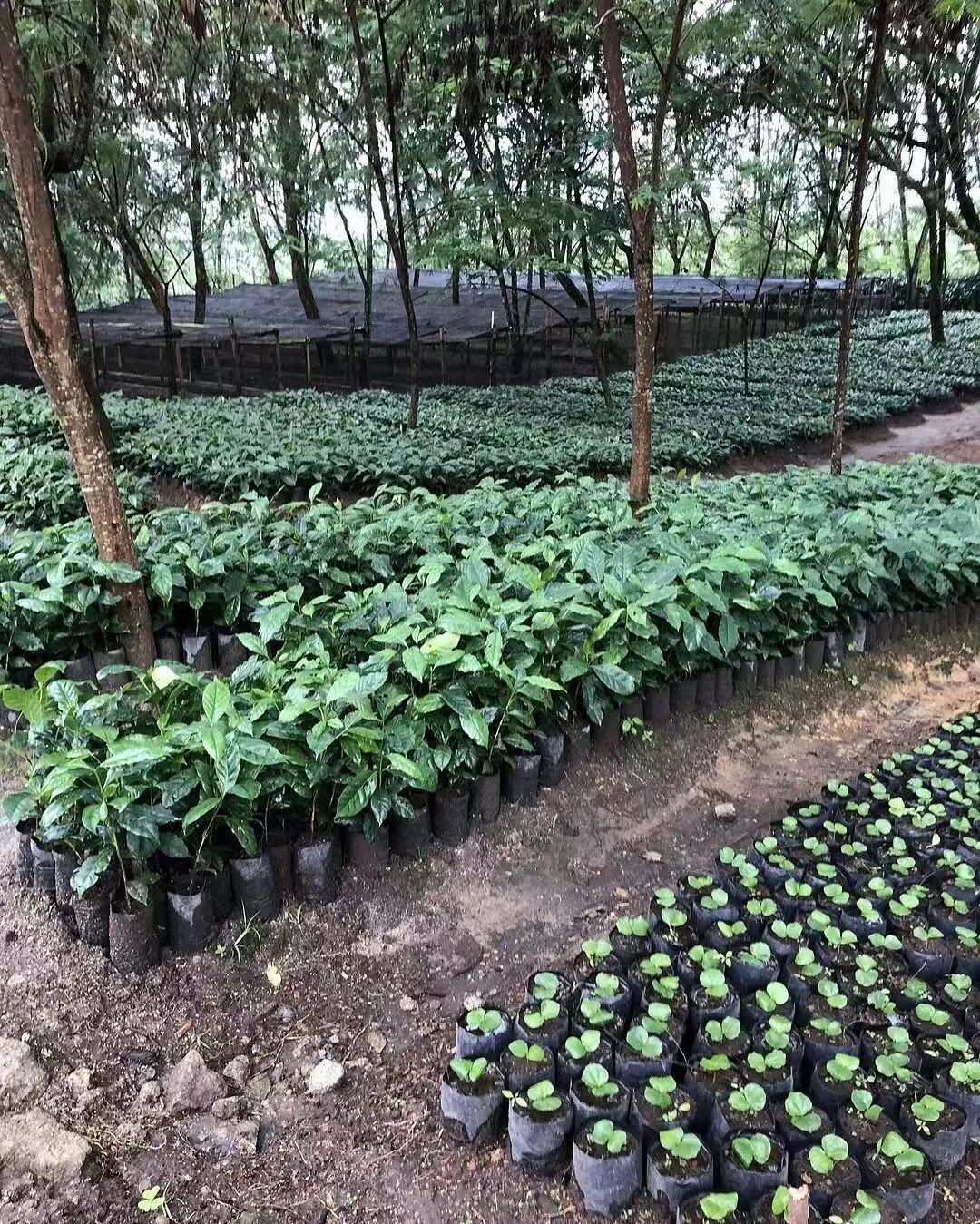
The main coffee varieties grown in Indonesia can be divided into three categories: Arabica, Robusta, and Liberica, with over 20 sub-varieties. Common ones include Catucai, Catimor, Timor Hybrid, Typica, S288, S795, and Sidikalang. Currently, Indonesia’s total coffee-growing area exceeds one million hectares, accounting for about 24% of its arable land, and is home to approximately 2.7 billion coffee trees. Over 90% of the coffee comes from smallholder farmers, primarily located in Central and East Java, with many adopting organic farming practices. Nineteen farmer cooperatives and exporters have obtained international organic certification.
Characteristics of the Wet-Hulled Process
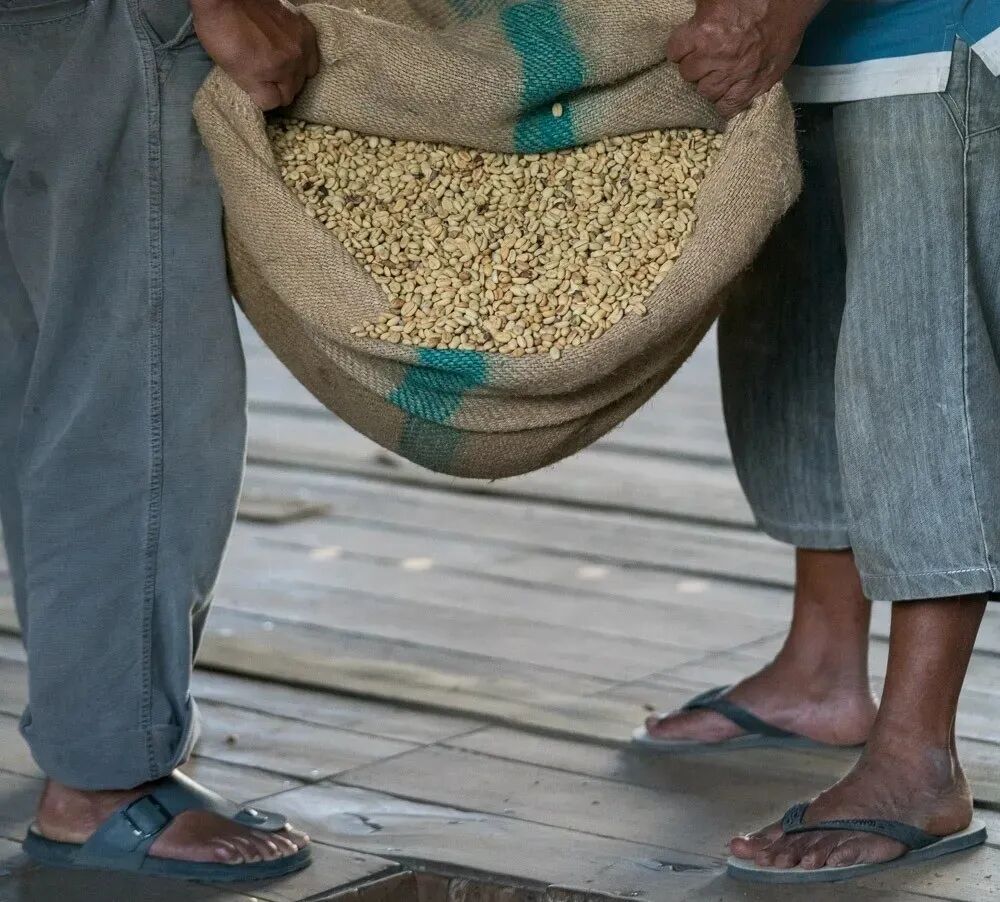
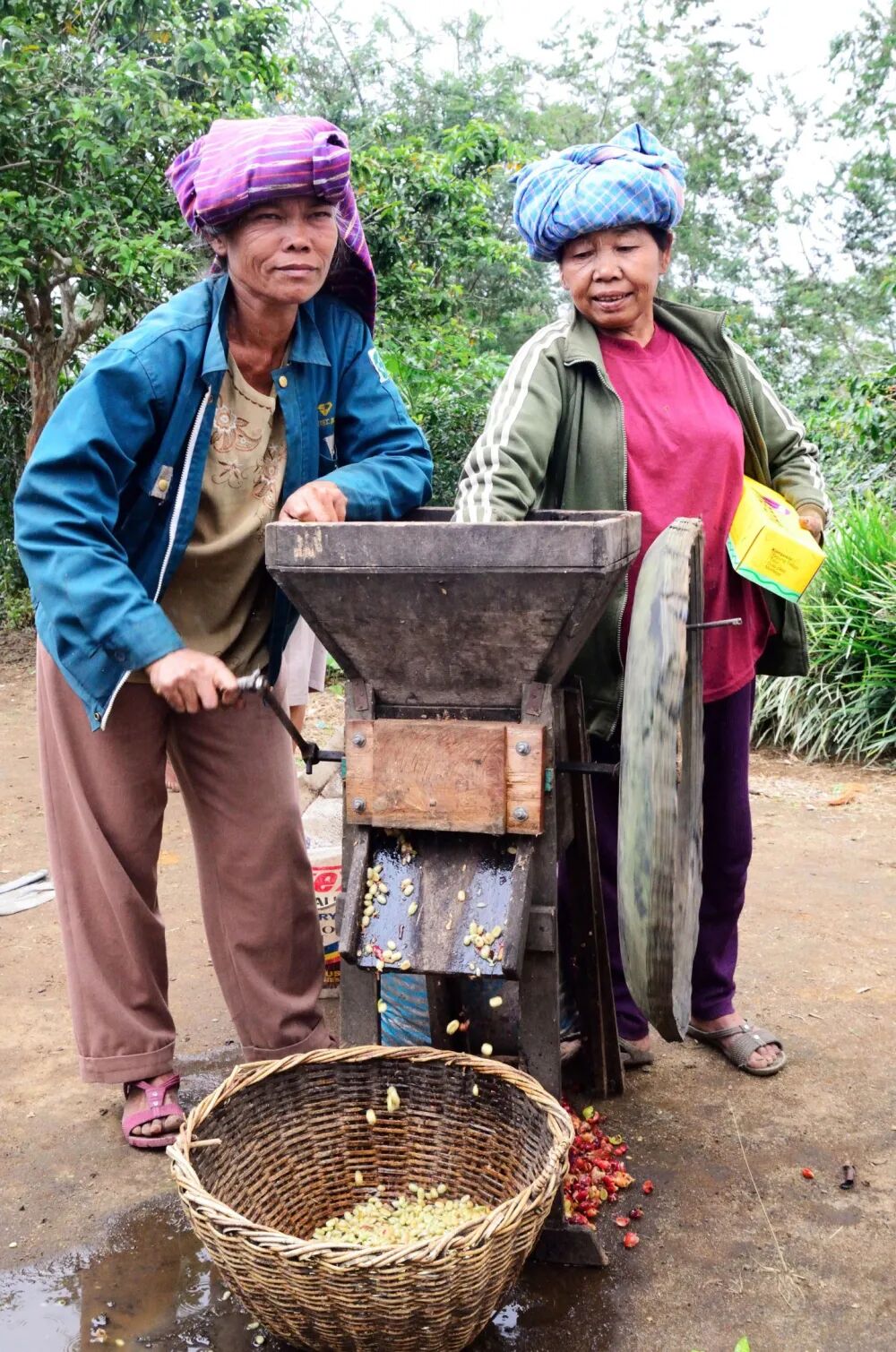
Indonesian coffee is predominantly processed using what is known as the “wet-hulled” method (Giling Basah), a type of semi-washed process also referred to as semi-wash or wet-hull processing. After harvesting, the coffee cherries are depulped and fermented, then undergo initial drying—but unlike the traditional washed method, which reduces moisture content to 11%–12%, this process only dries the beans to around 30% before hulling. The exposed green beans are then dried a second time until they reach a moisture level suitable for storage. This method imparts a fuller body and lower acidity to the coffee, often accompanied by complex flavors such as earthiness, spices, leather, and tobacco.
Sumatra Mandheling: A Classic Among Classics
When discussing Indonesian coffee, one cannot overlook Sumatra’s Mandheling. Its primary growing regions are around Lake Toba in northern Sumatra, with notable varieties including Golden Mandheling, Lintong Mandheling, and Aged Mandheling. Lintong Mandheling is known for its strong herbal character; Golden Mandheling, rigorously selected for uniform bean size and consistent quality, offers a clean, bright taste with prominent sweetness; Aged Mandheling, through special processing and aging, develops even richer and more complex flavors. Many coffee lovers have polarized views on Indonesian coffee—those who enjoy it praise its depth and layers, while others may find its distinctive profile off-putting.
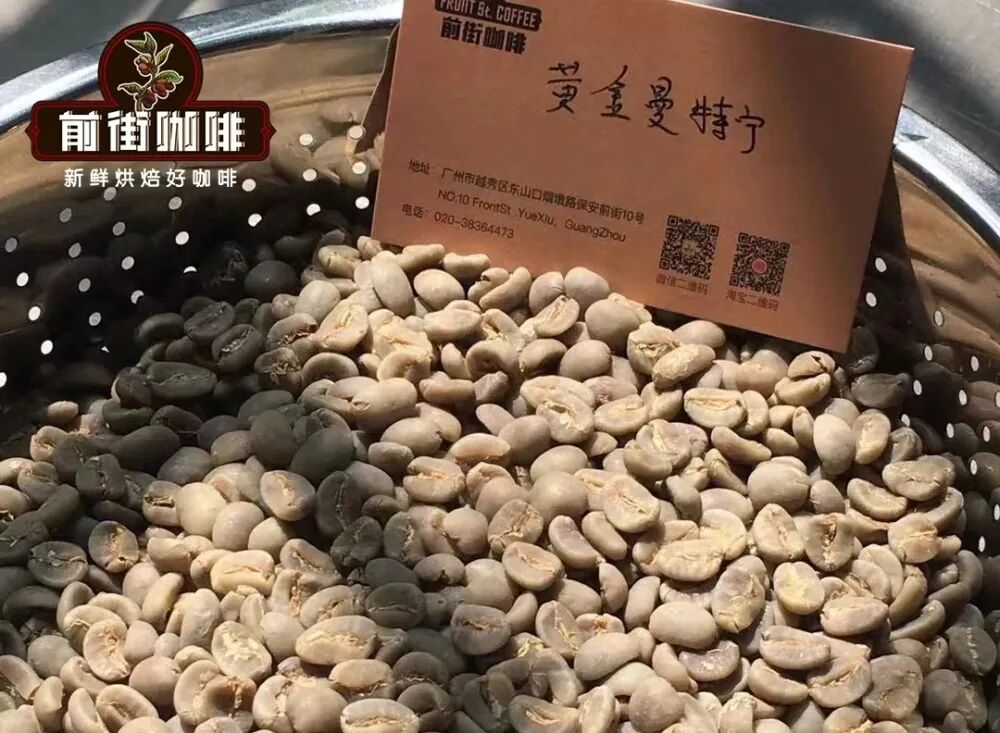
TakePWN Golden Mandhelingas an example: its flavor profile includes nuts, chocolate, spices, herbs, and caramel. Compared to Lintong Mandheling, its herbal and earthy notes are noticeably subdued, while the caramel sweetness is more pronounced, with an elegant sweet aftertaste.
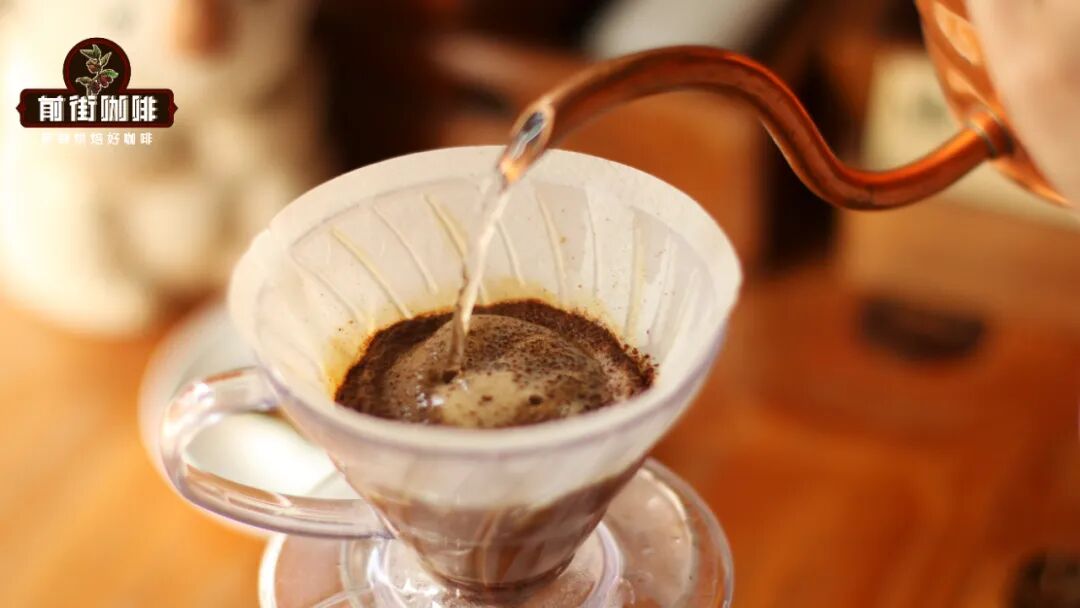
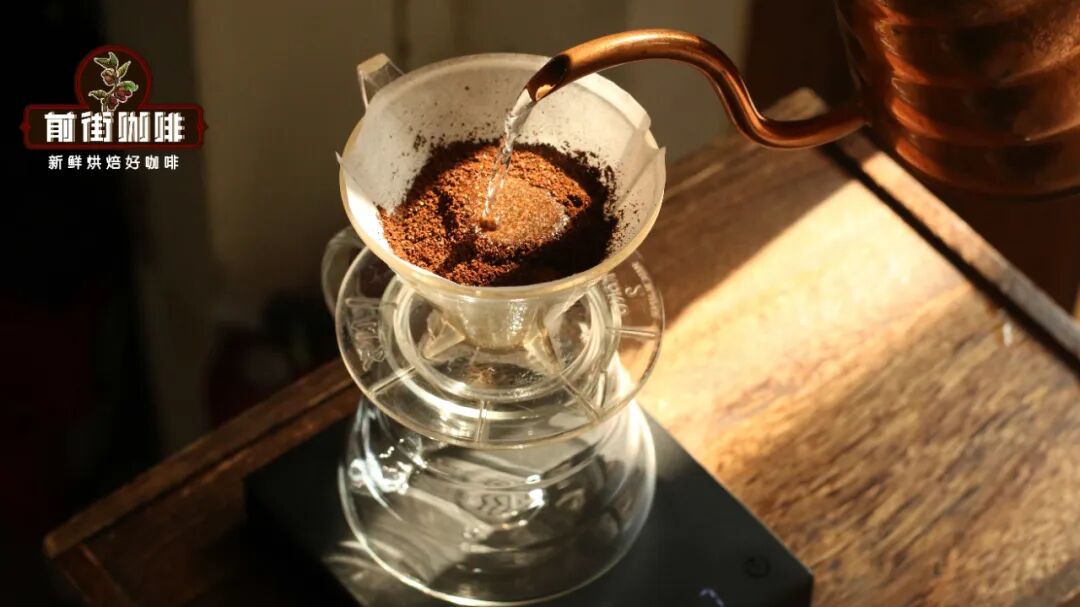
Brewing recommendation: Use a Kono filter, water temperature 86°C, 15g coffee, 1:15 coffee-to-water ratio, medium grind (EK43s grinder setting 11). The Kono filter, with its bottom rib design and high filter paper contact, extends the water-coffee contact time, helping enhance body. Use a pulse pour: start with 30g water for a 30-second bloom, then pour in small streams up to 125g for the first pour, followed by pouring to 225g total. Total brew time is about 2 minutes.
Kopi Luwak: A Unique and Controversial Choice
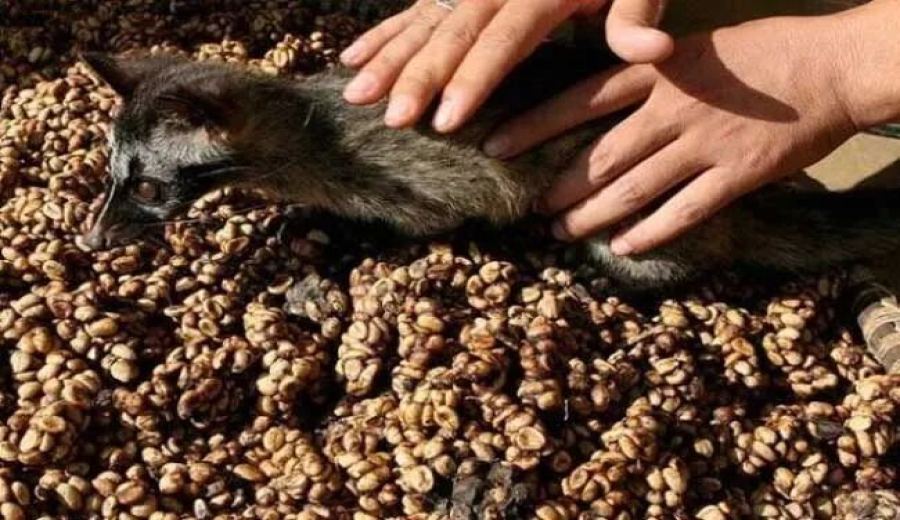
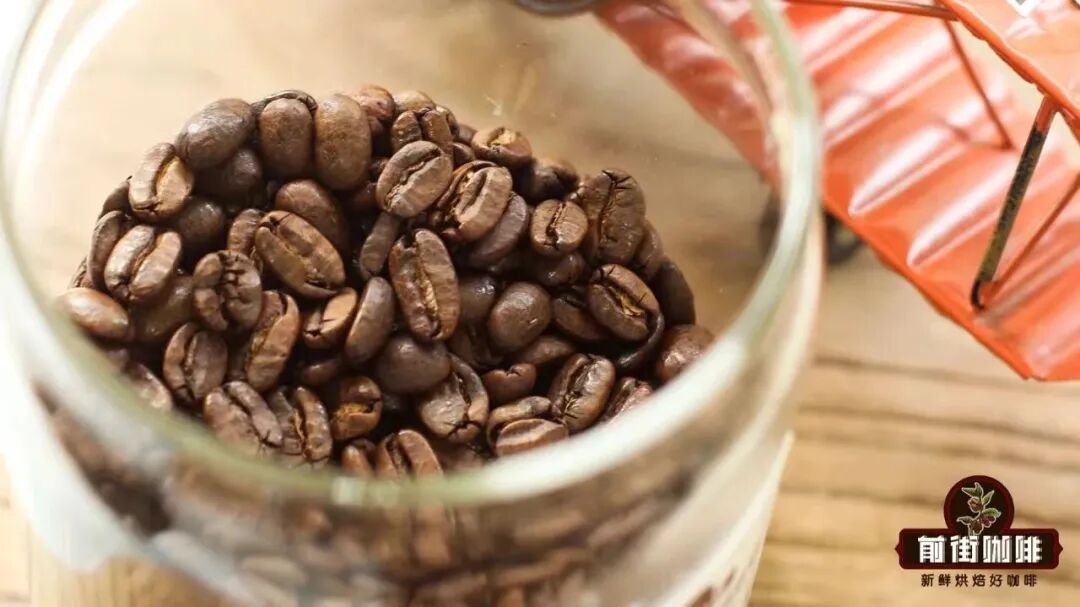
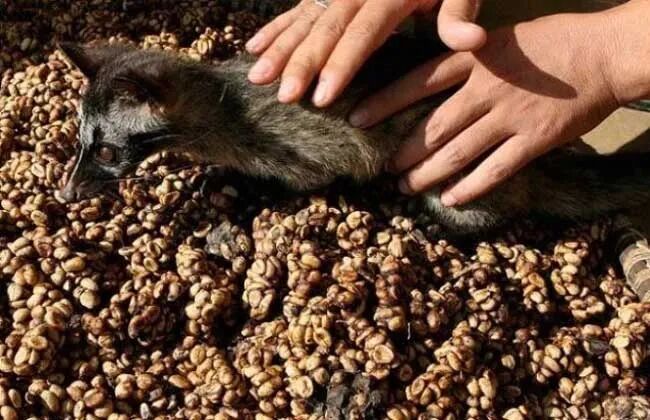
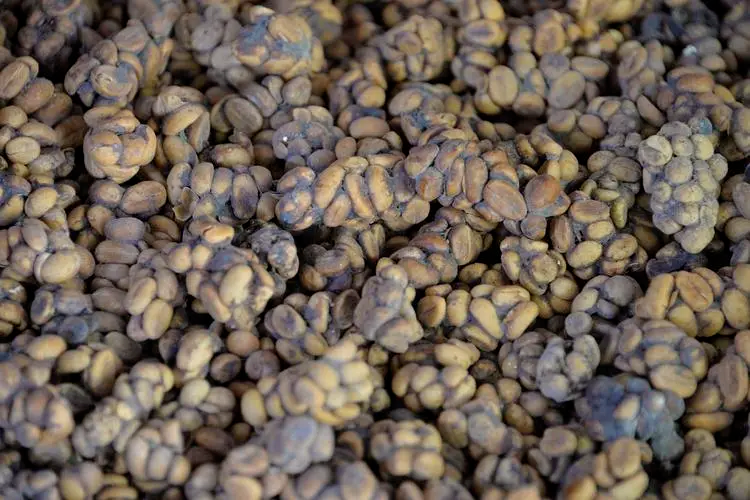
Another iconic Indonesian coffee is the widely known “kopi luwak,” made from Robusta beans since civets typically inhabit mid-to-low elevation areas where Robusta is predominantly grown. This coffee is distinctive because the civet’s digestive system breaks down proteins in the beans, altering the flavor structure and producing unique herbal, nutty, and dark chocolate notes. However, its production method remains ethically controversial, as some producers intensively breed civets to increase yield, raising concerns about animal welfare.
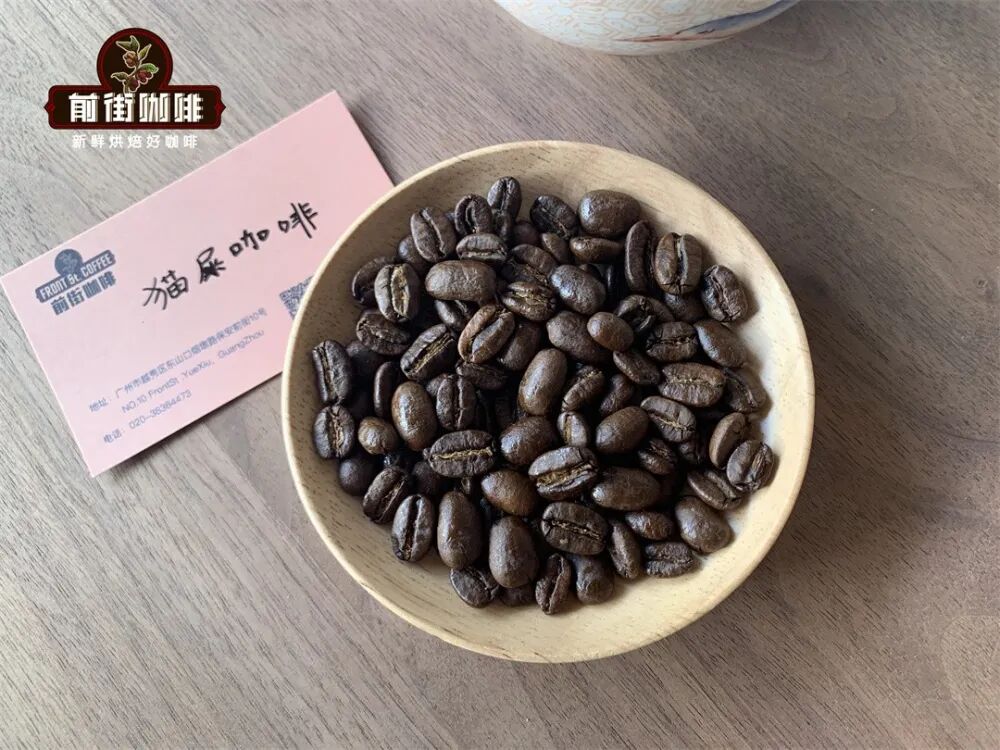
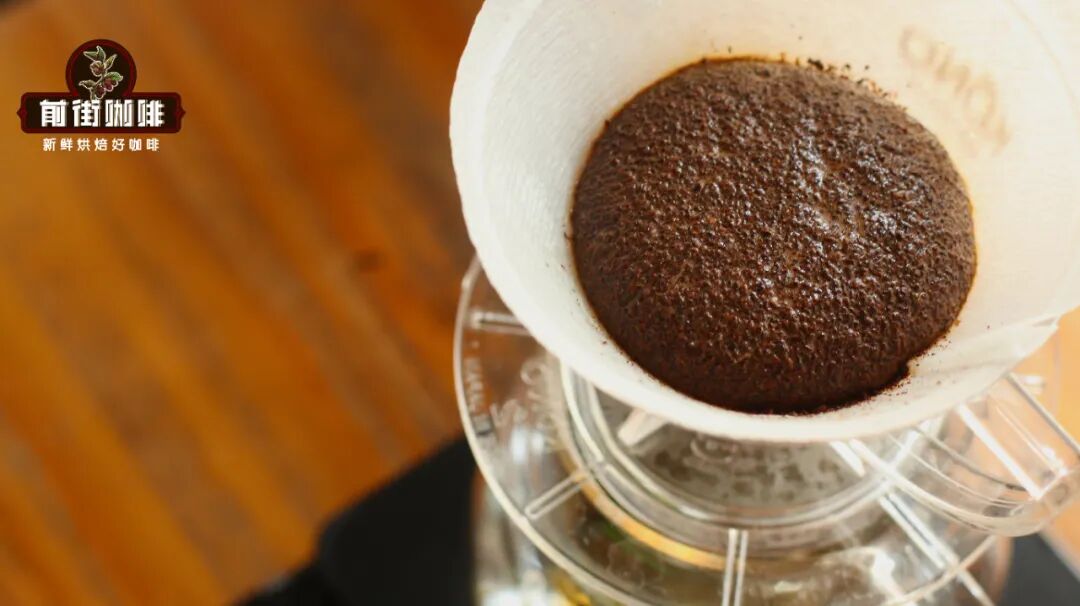
TakeKopi Luwakas an example: its flavor includes herbal, nutty, dark chocolate, and fermented notes. Recommended brewing uses a Kono filter, water temperature 86°C, 15g coffee, 1:15 coffee-to-water ratio, medium grind (EK43s grinder setting 11). Use the same pulse pour method: 30g water for a 30-second bloom, then pour to 125g, followed by pouring to 225g. Total brew time is about 2 minutes.
 ,
 ,
 ,
Java Coffee: A Symbol of Elegance and Balance
Java coffee showcases a flavor profile distinctly different from Sumatra’s, with relatively bright acidity, a delicate and balanced body, and refined aromas highlighted by distinct fruitiness. The main growing area is in West Java, mostly on state-owned and private estates, with plantations typically above 1400 meters in elevation. Coupled with volcanic soil, this produces its unique flavor expression.
TakeWest Java Coffeeas an example: its flavors include mango, red wine, peach juice, plum, and jackfruit, with a clean and sweet aftertaste. Recommended brewing uses a V60 filter, water temperature 90°C, 15g coffee, 1:15 coffee-to-water ratio, medium-fine grind (EK43s grinder setting 10). Use a pulse pour: 30g water for a 30-second bloom, then pour in small streams up to 125g, followed by pouring to 225g. Total brew time is about 2 minutes.
 ,


The above content is compiled by CoffeeHunters, a coffee news website.

