Introduction:At the 2025 Best of Panama competition, Black Moon Farm secured second place with traditional varieties, scoring an impressive 92.63. This result highlights the flavor potential of Panamanian coffees beyond Geisha. This article takes you behind the scenes at this estate located in the Alto Quiel highlands, exploring how regenerative farming and meticulous management have helped varieties such as Chiroso and Pink Bourbon shine—and breaking down the key flavor notes and processing details of their award-winning coffee.
In June 2025, the 29th Best of Panama (BOP) awards ceremony was held in Boquete. In the Traditional Varieties category, La Esmeralda Estate claimed first place with a Laurina lot from the El Velo section. Hot on its heels was a surprising dark horse—Black Moon Farm. Owner Hunter Tedman achieved second place with a remarkable score of 92.63, successfully bringing traditional varieties beyond Geisha to the international stage.
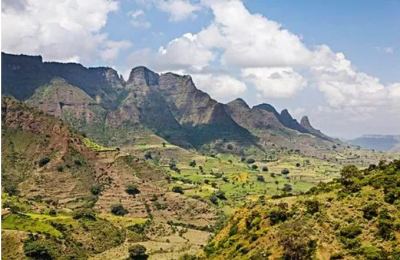
Nestled above Boquete in the Alto Quiel region, Black Moon Farm sits at an altitude of approximately 1,700 to 1,780 meters, within the renowned cloud-covered highlands of Chiriquí Province. When Hunter Tedman, who has a background in agronomy, took over this land in 2018, it was a vegetable farm that had long been under intensive cultivation with noticeably degraded soil. His first priority upon taking charge was not to plant coffee right away, but to thoroughly revamp the soil—the very foundation. The approach he adopted is commonly referred to as "regenerative agriculture"—a method centered on maintaining and enhancing soil health, rebuilding ecological diversity, and gradually achieving a balance between yield and quality.
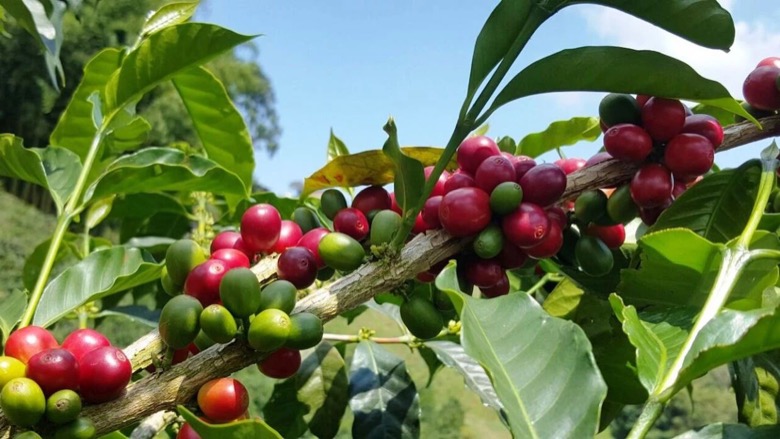
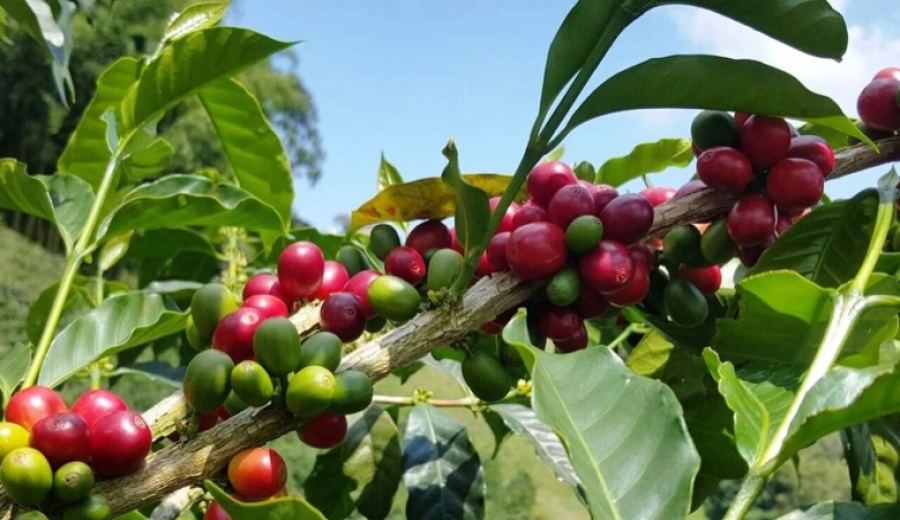
Throughout the estate, in addition to coffee trees, Hunter has planted around four thousand native tree species, as well as fruit trees like avocados and citrus, gradually creating an ecosystem akin to a food forest. This design not only helps maintain soil vitality but also promotes biodiversity, which in turn supports the healthy growth of the coffee trees. Tedman firmly believes that only with healthy soil can the ripeness of coffee cherries be more uniform—a cornerstone for consistent cupping performance. This field management philosophy is reflected in every day of planting and maintenance.
What stands out most about Black Moon Farm is its commitment and dedication to traditional coffee varieties. In addition to cultivating Green Tip Geisha, which has deep ties to Costa Rica, the estate has introduced several aromatic varieties, including Chiroso, Pink Bourbon, Wush Wush, Sudan Rume, and Mocha. Since its first competition entry in 2022, Black Moon Farm has made the BOP award list almost every year, with the star variety Chiroso even winning first place in the Traditional Varieties category in 2024.
Hunter Tedman, a former board member of the Specialty Coffee Association of Panama (SCAP), has an in-depth understanding of the competition judging system. As a result, he enforces nearly stringent standards in the estate’s record-keeping: from harvest dates, fermentation times, drying environments and cycles, to rest periods—every batch of coffee is meticulously documented. Even lunar phases during harvesting are recorded. In recent seasons, he has even switched to drying coffee in a darkroom, using controlled environmental conditions to extend drying time, effectively reducing batch variation and stabilizing the aromatic compounds in the coffee. For Hunter, these records are not just management tools, but key to elevating quality.
In a market where Geisha often dominates attention, traditional varieties usually struggle to get the spotlight they deserve. Yet, Black Moon Farm has proven, through a comprehensive system starting with soil improvement, that these varieties are equally capable of standing on the BOP podium. For coffee enthusiasts accustomed to the flavors of Geisha, this traditional variety that scored 92.63 is undoubtedly an excellent gateway to exploring the "Panama Beyond Geisha" flavor world. By learning about Black Moon Farm’s growing philosophy and processing details, you’ll gain a deeper appreciation for the diversity and potential of Panamanian coffee.
The above content is compiled by CoffeeHunters, a coffee news website.