







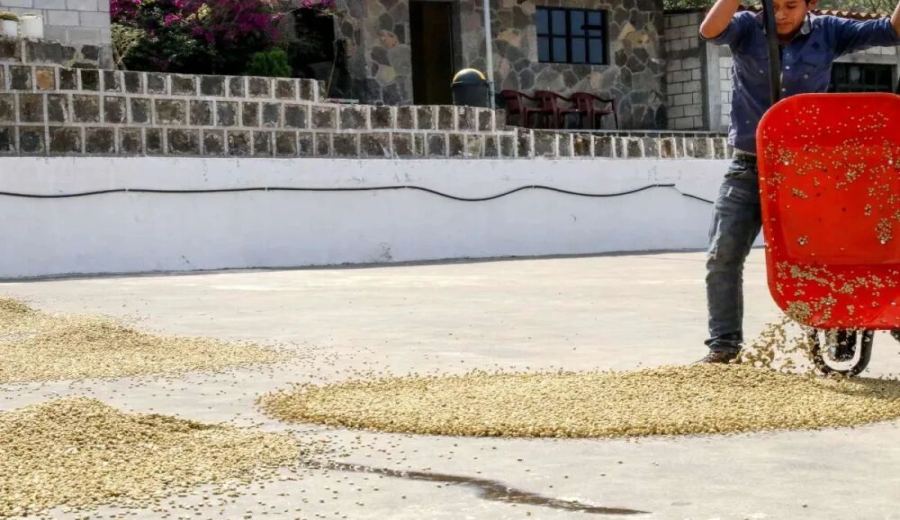
Introduction:Guatemalan coffee is renowned for its distinctive smoky aroma and multi-layered flavors, not only beloved by coffee enthusiasts but also often regarded as one of the representatives of specialty coffee. This article will take you on an in-depth exploration of the unique regional characteristics, processing methods, and microclimates of Guatemalan coffee that shape its flavor profile, and analyze why it’s nicknamed “cigarette coffee.” We also provide practical pour-over recommendations and parameters to help you fully experience the charm of this coffee.
Many consumers who are new to specialty coffee are always curious about Guatemalan coffee, especially its unique “smoky taste,” which can even remind people of a lit cigarette—hence the amusing nickname “cigarette coffee.” However, this flavor is not a defect, but rather a terroir expression unique to the region, shaped by complex geographical, climatic, and cultivation conditions.
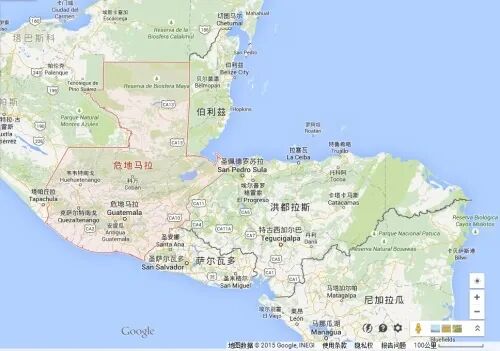
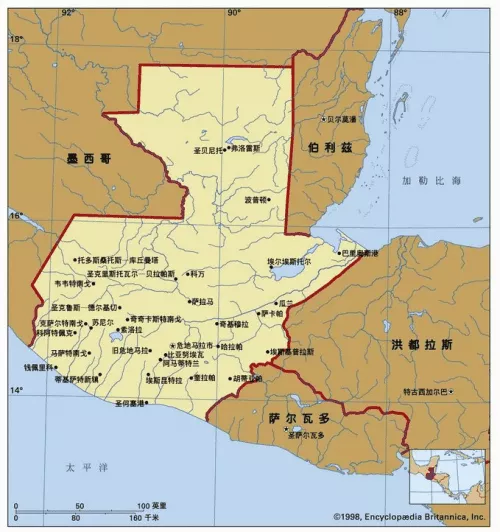
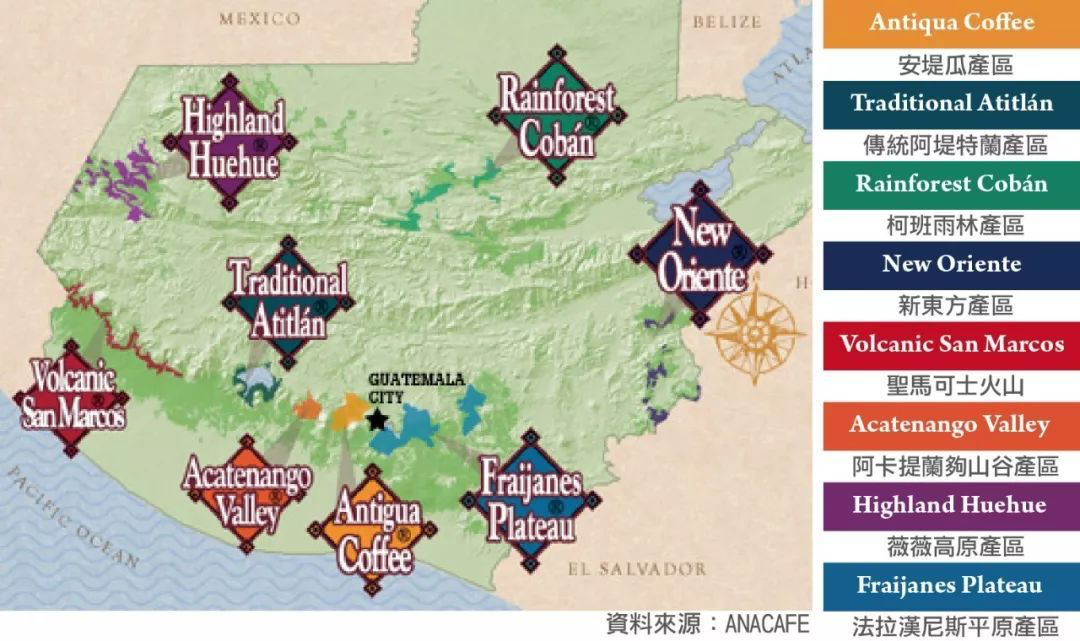
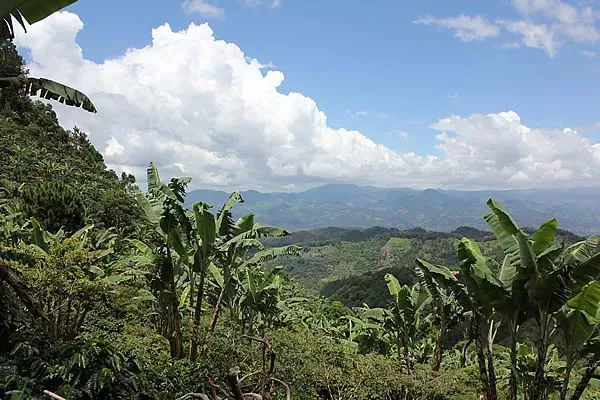
Located in Central America,Guatemalais one of the world’s most renowned coffee-growing regions, boasting exceptionally favorable growing environments. Its geography borders Mexico to the north, Honduras and El Salvador to the south, the Caribbean Sea to the east, and the Pacific Ocean to the west. The country is predominantly mountainous and plateau, giving rise to diverse and unique microclimates—perfect for cultivating high-quality Arabica coffee.

Guatemala generally has a tropical climate, but due to significant altitude variations—from the tropical rainforest climate of the northern lowlands, to the mild mountain climate of the central highlands, to the subtropical environment of the southern mountains—the region exhibits clear regional differences. The country has a relatively high average elevation, and most coffee-growing areas are located at elevations above 1,500 meters, which provides ideal conditions for growing Strictly Hard Bean (SHB) coffee.
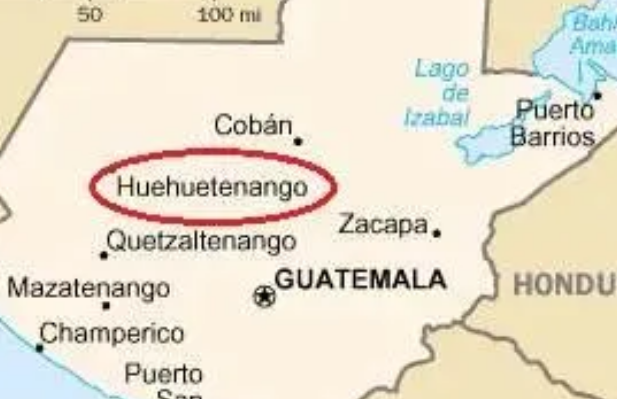
Among them,Huehuetenango (also spelled Huehue or Huehuetenango)is one of the highest-altitude coffee-growing regions in Guatemala, with plantations reaching up to 1,800 to 2,100 metersin elevation. As the country’s highest-elevation growing area, it produces high-quality beans with rich and complex flavors. The region has a dry climate but stable water sources, along with well-developed washed processing facilities, resulting in coffee that often features bright acidity and abundant fruity notes.

When you taste Guatemalan coffee from Huehuetenango, you’ll often detect a refreshing acidity with citrus and berry notes, followed by nutty and chocolatey aromas in the mid-palate, and a delicate tea-like finish with a soft smoky aftertaste. This smokiness is not harsh or irritating, but rather a deep and comforting layer that adds considerable depth to the overall flavor, which is also one of the reasons it’s called “cigarette coffee.”
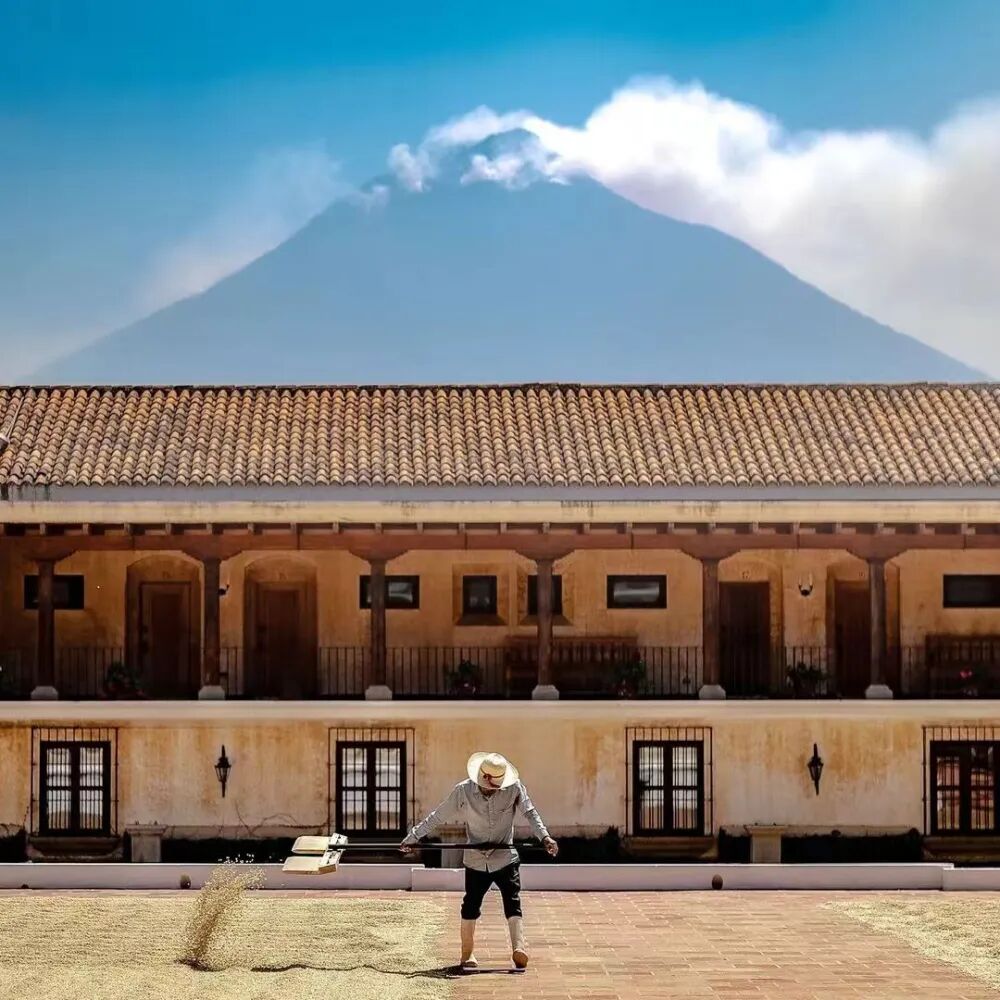
In addition to Huehuetenango,Antiguais another of Guatemala’s most iconic coffee-growing regions. Nestled within a volcanic landscape and surrounded by three volcanoes, Antigua benefits from mineral-rich volcanic ash soil with excellent drainage and water retention. Coupled with local shade-grown practices and large diurnal temperature variations, the coffee beans here develop intense fruity aromas and a unique smoky character.
A cup of premium Guatemalan coffee from Antigua, when brewed using a pour-over method, often showcases a bright and clear lemon acidity. As the temperature drops, floral notes reminiscent of white blossoms gradually emerge, accompanied by cocoa and subtle smoky aromas, with a mellow caramel-like finish. The overall flavor is balanced and layered.
Many people are amazed by the smoky trait when tasting Guatemalan coffee, and some may even mistake it for a roast or processing defect. In reality, under the influence of high altitude and special microclimates, this smoky flavor is a naturally occurring regional characteristic—not a sign of poor quality. When processed properly, this smokiness can actually enhance the overall complexity of the coffee.
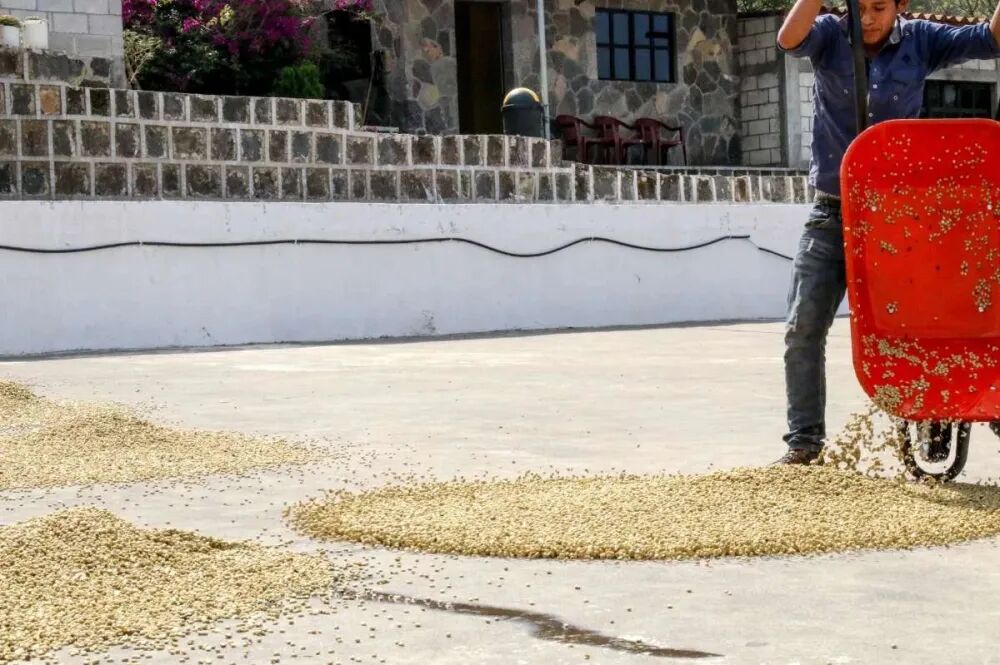
In terms of processing methods, the majority of Guatemalan coffee employs the washed process, which preserves the beans’ natural bright acidity and clean flavor profile, helping to highlight the uniqueness of each growing region. For novice coffee drinkers, washed beans are usually easier to understand in terms of flavor, making them a great starting point for exploring the characteristics of different regions.
In addition, Guatemalan coffee beans are strictly graded by altitude, categorized as follows:
• HB (Strictly Hard Bean): elevation 1,500–1,700 meters
• Hard Bean: elevation 1,350–1,500 meters
• SH (Strictly Hard Bean): elevation 1,200–1,350 meters
• Extra Prime (Extra Prime Washed): elevation 1,000–1,200 meters
• Prime (Prime Washed): elevation 850–1,000 meters
• Good Washed: elevation 700–850 meters
The higher the altitude, the slower the coffee grows, allowing for greater accumulation of flavor compounds. Therefore, coffee grown at higher altitudes is generally of better quality and has greater potential for specialty-grade classification.
If you’d like to brew a cup of Guatemalan coffee at home, you can refer to the following practical parameters: use a Hario V60 dripper, control the water temperature at 90–91°C[temperature placeholder, retain as-is], 1:15with a medium-fine grind size (approximately 80% of particles passing through a #20 sieve), and a coffee-to-water ratio of 15 gramsof coffee grounds. Use a three-stage pouring technique: 30 grams bloom for 30 seconds, followed by 95 grams for the main extraction, and finally 100 grams for the final pour, with a total brewing time of about 2 minutes and 8 seconds, which effectively highlights the nuanced flavors of Guatemalan coffee.
In summary, the uniquely captivating flavors of Guatemalan coffee result from the interplay of geographical environment, altitude, microclimate, volcanic soil, and washed processing. Whether you’re a beginner just stepping into the world of coffee or a seasoned connoisseur who has tasted beans from many regions, Guatemalan coffee is sure to offer you a unique surprise and insight.
So next time you sip a coffee with notes of citrus, nuts, chocolate, and a hint of smokiness, why not guess whether it might come from this mysterious and flavor-rich Central American coffee kingdom—Guatemala?


The above content is compiled by CoffeeHunters, a coffee news website.

