Introduction:Geisha coffee is now a star variety in the specialty coffee world, but its roots actually lie deep in the pristine forests of Ethiopia. This article will take you back to the origin of Geisha, exploring how this highly sought-after coffee was rediscovered locally and how it showcases its unique flavors through auctions and refined processing methods. From the native varieties in the Guji region to the carefully selected batches from the Geisha Village Estate, you’ll gain an in-depth understanding of how to identify authentic Ethiopian native Geisha through flavor and processing methods.
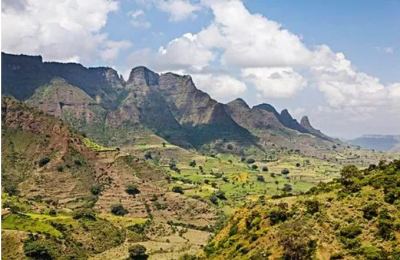
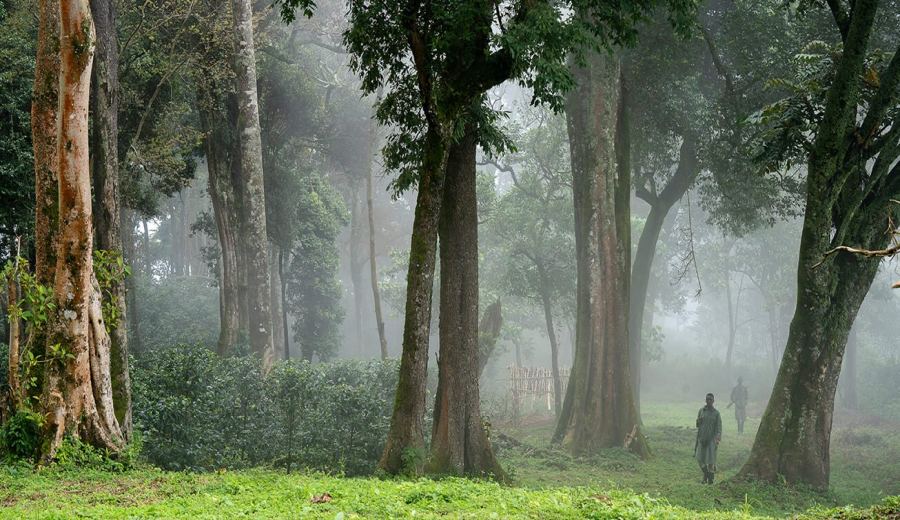
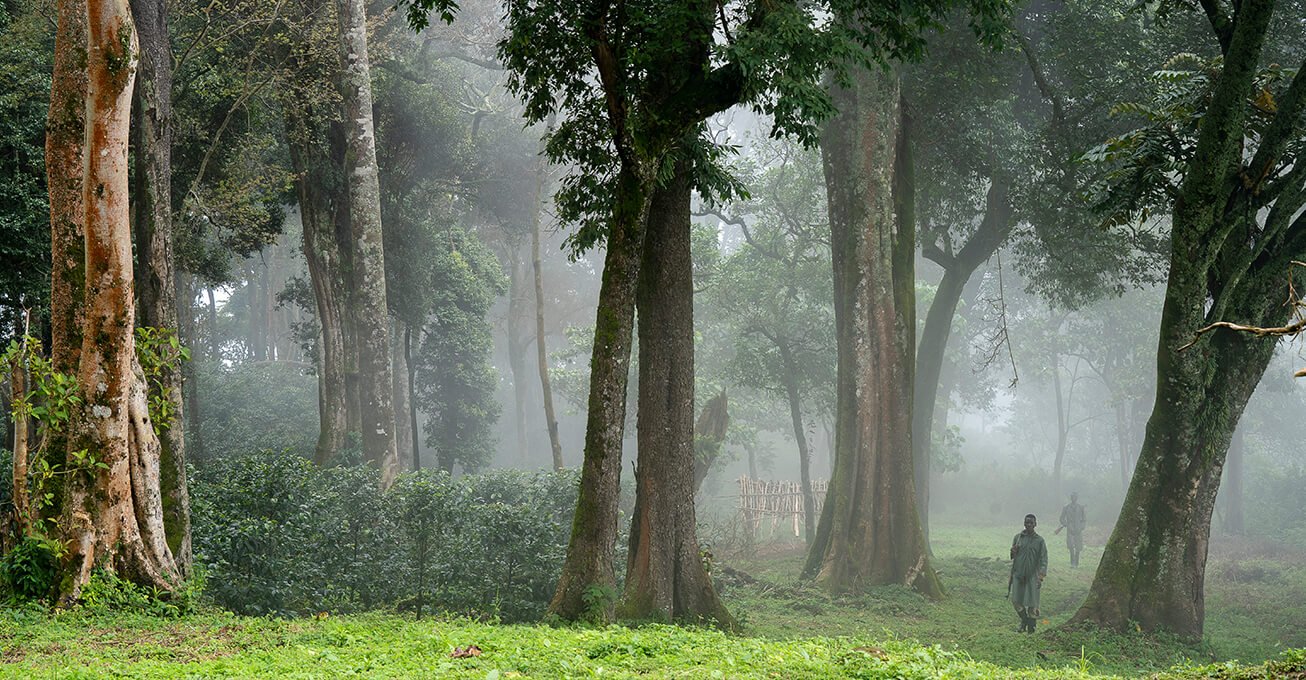
When it comes to Geisha (or Gesha), many coffee enthusiasts first think of the top-tier flavors from the highlands of Panama. However, this variety, which now commands sky-high prices at auctions, originally comes from wild coffee trees in Ethiopia. The Kafa Forest in the southwestern part of the country is regarded as the genetic treasure trove of global Arabica coffee. This pristine rainforest, located at an altitude of about 1,400 to 2,100 meters, not only nurtures diverse wild strains but is also the true birthplace of Geisha coffee.
Amid the trend of seeking the origins of coffee, more and more regions and farms are looking back to Ethiopia in an attempt to rediscover the original form of Geisha. One notable example is the native Geisha produced by a well-known farm in the Guji region. This coffee is grown at altitudes between 1,350 and 1,600 meters, and the higher elevation slows down the ripening process of the fruit, helping to accumulate flavor compounds.
During harvesting, this well-known farm strictly selects only fully red, ripe coffee cherries and handpicks them to ensure that only the most mature fruits proceed to further processing. Next, these cherries undergo a slow sun-drying process lasting 14 to 20 days. During this period, the natural sugars in the pulp have ample time to penetrate deep into the bean core, imparting the coffee with rich sweetness and complex aromas. When brewed, this coffee often presents bright orange blossom notes, tropical fruits such as guava and apricot, along with distinct strawberry jam and pineapple aromas. The acidity is bright and delicate, with a smooth mid-palate cane sugar sweetness, and a finish that carries a refreshing aftertaste reminiscent of green tea and oolong tea. The overall profile is very balanced with a long-lasting aftertaste.
In addition to the native varieties from the Guji region, the “Geisha Village Estate” that has risen in southwestern Ethiopia in recent years has also become a market focal point. This estate is located near the natural distribution area of the original Geisha variety and is dedicated to collecting and cultivating Geisha strains that are closest to the original genetics. The beans here are categorized into different batches based on processing methods and quality, and they frequently participate in international coffee auctions and green bean competition events. This has transformed “Ethiopian native Geisha” from a purely academic concept into a unique flavor that consumers can personally experience during cupping.
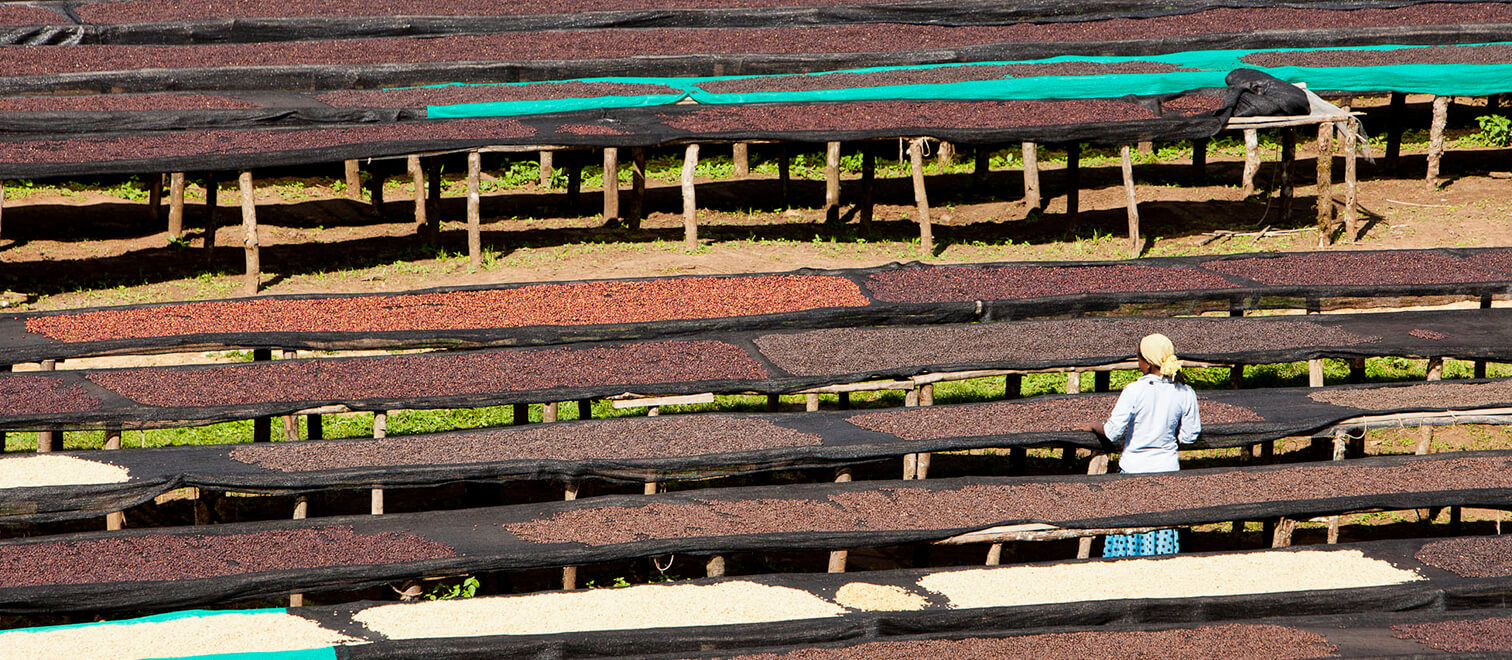
It’s worth noting that the processing method has a critical impact on the flavor expression of native Geisha. The natural (sun-dried) processing method allows coffee cherries to remain on drying racks for a longer period, giving the sugars and aromas in the flesh more time to penetrate the seeds, often resulting in a richer sweetness and bold fruitiness. In contrast, the washed process emphasizes a clean and transparent flavor profile, with brighter and more pronounced acidity. Even for the same batch of native Geisha, depending on the duration of sun-drying, it may exhibit distinctly different taste characteristics. This is one of the key reasons why value differences between different batches can be significant in the auction market.
In summary, the story of Geisha begins in the forests of Ethiopia and has now returned to this land. Through local refined cultivation and diverse processing techniques, it is once again showcasing its boundless potential to the world. If you want to experience Geisha that is closest to its original flavors, consider starting with a native variety from the Guji region to taste the true essence of this coffee in its homeland, and gain a deeper understanding of the value behind popular items in the auction market.
The above content is compiled by CoffeeHunters, a coffee news website.