








Introduction:Have you ever wondered why some coffees taste intensely fruity and sweet, while others are bright and vibrant with lively acidity? The key often lies in the coffee bean processing method. Sun-dried (natural) and washed are the two most common processing methods, not only influencing flavor profiles but also easily distinguishable by the appearance of both green and roasted beans. This article takes you deep into the processing steps, visual characteristics, and flavor differences between the two, along with practical brewing parameters and insights to help you quickly master identification techniques and refine your pour over coffee experience.
Many friends who enjoy pour over coffee may have encountered this situation: someone nearby can instantly tell whether a coffee is sun-dried or washed just by a glance or a sip. The speed is astonishing, seemingly requiring years of experience. But in fact, once you understand the key differences between the two processing methods, you too can easily distinguish sun-dried from washed coffee beans.
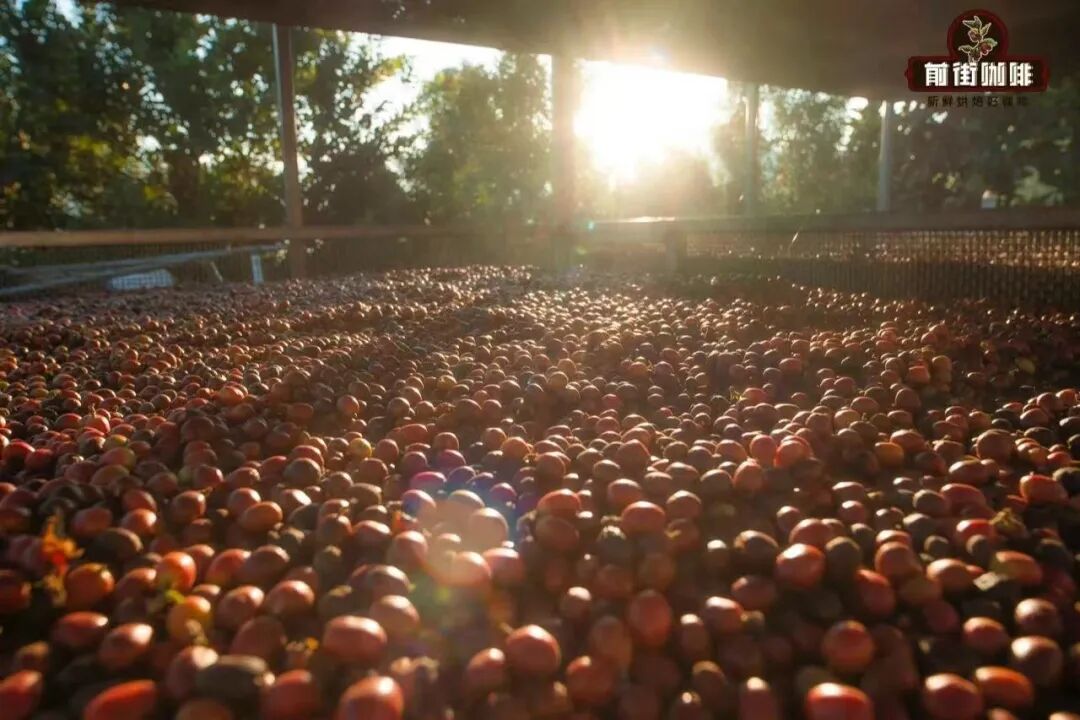
To differentiate between sun-dried and washed beans, we first need to start with their processing procedures. Coffee processing is essentially the act of removing the coffee fruit’s outer layers to extract the inner green bean, and this process greatly impacts the final coffee flavor. Sun-dried processing (Natural), the most traditional and primitive method, also known as the "natural process," is mainly popular in dry climates. In the early days, due to limited technology, farmers would place whole coffee cherries directly under the sun to dry until the fruit's moisture evaporated and the pulp separated from the seed, then remove the outer parchment layer to reveal the green coffee bean. The defining feature of this method is that the coffee beans remain in close contact with the fruit pulp and mucilage during drying, which easily leads to rich fermented flavors.
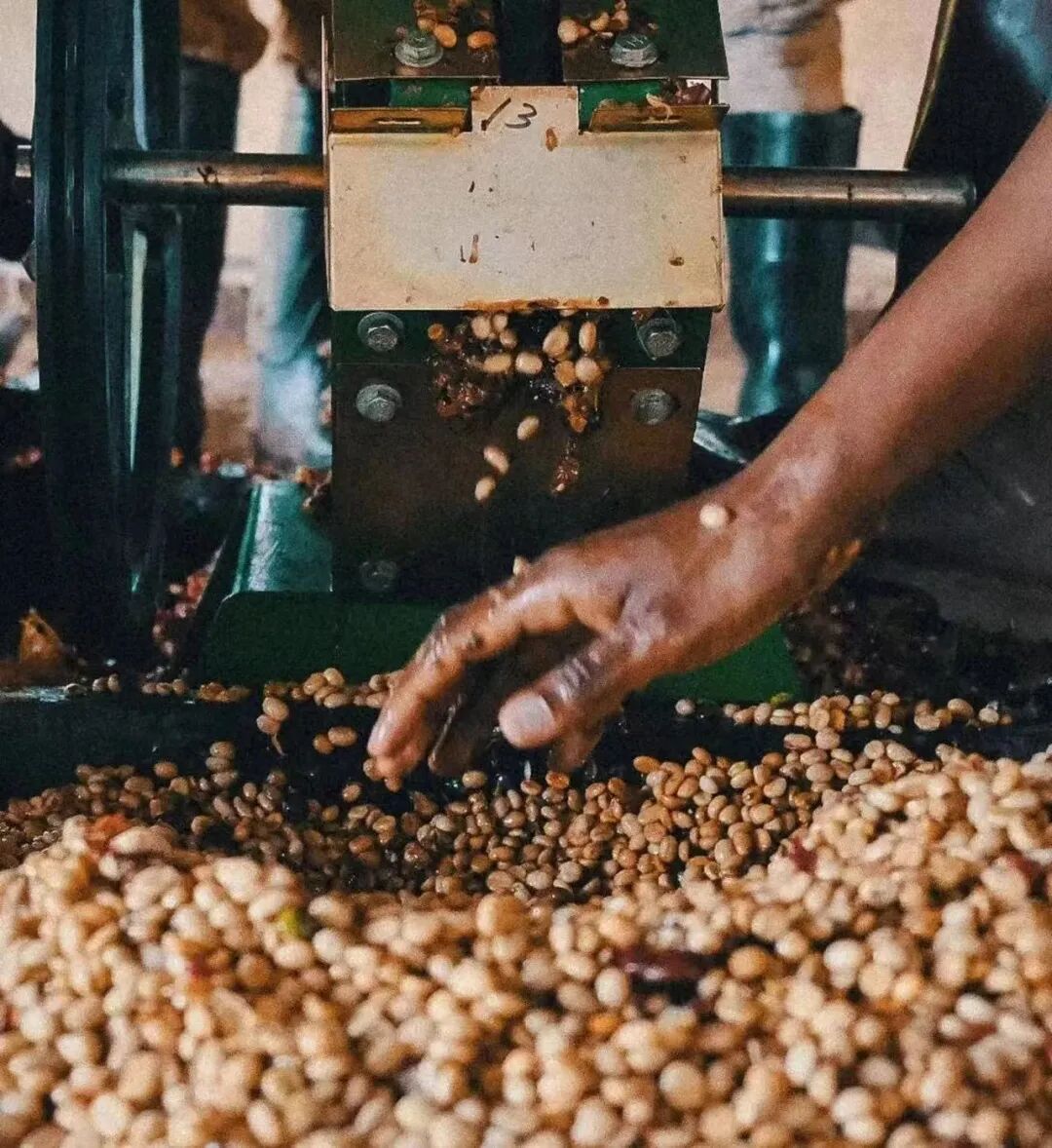
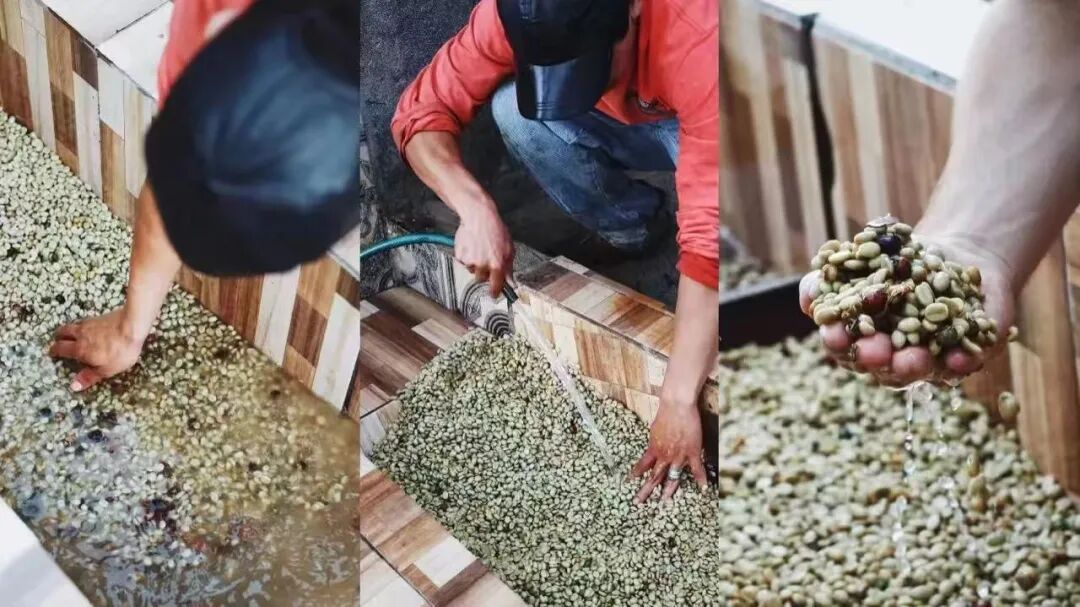
However, the sun-dried method also has clear limitations: it highly depends on a stable, dry, and sunny environment. If the weather is humid or rainy, it can easily lead to mold or uneven drying. Therefore, in more humid climates, another processing method gradually developed—the washed process (Washed Process). The washed process first involves floatation of freshly harvested coffee cherries to remove unripe or rotten fruits, then uses machinery to remove the skin and pulp, leaving the beans coated with mucilage. These mucilage-covered beans are soaked in water tanks for fermentation, where microbial action breaks down the mucilage, followed by multiple rinses with clean water, and finally sun-drying or mechanical drying to remove the outer parchment layer. The washed method can effectively control the degree of fermentation, allowing the coffee to showcase a purer, clearer base flavor.

After understanding the basic processing procedures, let’s move on to distinguishing sun-dried and washed coffee beans through three aspects: green bean appearance, roasted bean features, and flavor.
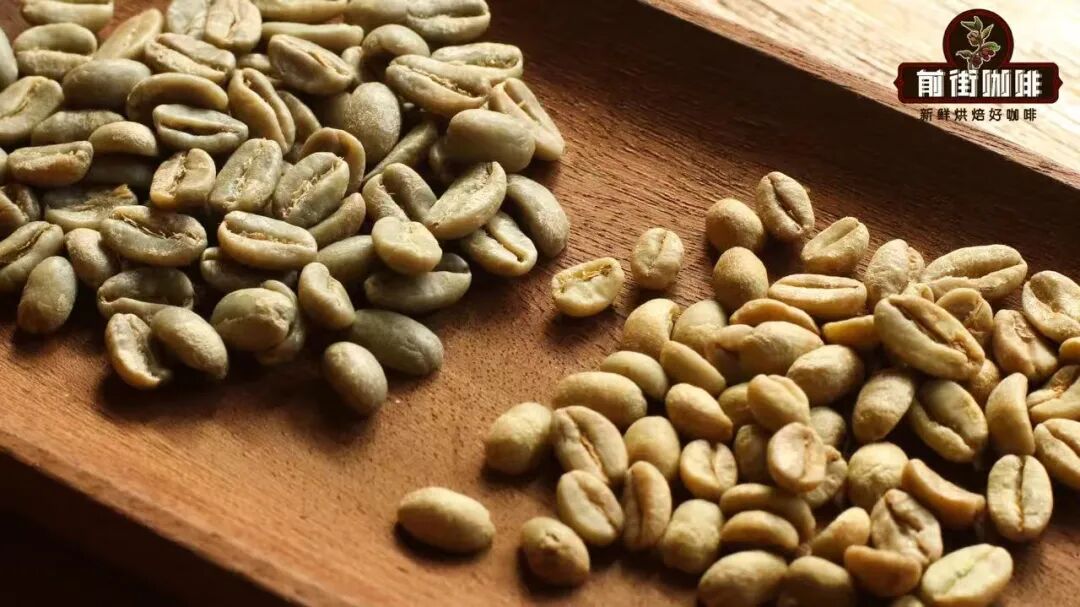
First, look atGreen Bean Appearance. Because sun-dried beans have their pulp and mucilage sugars gradually penetrate the bean during drying, and Maillard reactions and caramelization occur under sunlight, sun-dried green beans usually exhibit a bright golden-yellow hue (see reference image on the right). In contrast, washed beans, having had most of their pulp and mucilage removed before drying and being dried more quickly through direct exposure to sunlight and air, mostly show a clear light green or jade green color, varying slightly depending on the variety (see reference image on the left).
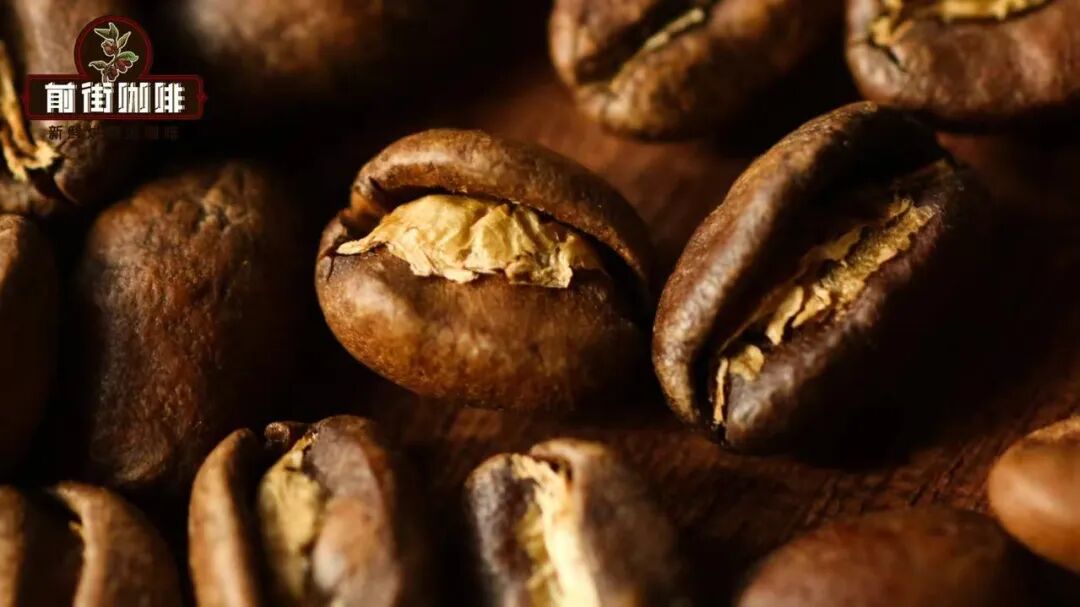
Next, observeRoasted Bean Characteristics. When comparing roasted coffee beans, pay attention to the center cut area—specifically, the silver skin at the bean’s indentation. Generally, the silver skin of washed beans tends to be more intact and, unaffected by sugars, appears distinctly white, creating a strong contrast with the dark brown bean body, making it very easy to identify. In contrast, the silver skin of sun-dried beans often darkens during roasting due to caramelization reactions between the sugars and the silver skin, sometimes even closely matching the bean’s own color, making the silver skin less noticeable or almost invisible (refer to the image on the right and the image on the left).

The most intuitive difference still lies in theFlavor Profile. Due to longer fermentation times and more participating compounds, sun-dried processing typically brings out more complex, layered flavor profiles. Common descriptors include intense fruitiness (such as berries, citrus, tropical fruits), floral notes (like jasmine, rose), sweetness (like honey, syrup), as well as bold winey or caramel aromas. The aftertaste is usually long, often accompanied by dried fruit or red wine-like finishes. Washed beans, on the other hand, with lower fermentation levels and a more “clean” processing flow, usually present clearer, brighter base flavors, such as citrus acidity (lemon, orange), fresh fruitiness (berries, passionfruit), floral notes (jasmine, white flowers), and soft sweetness (honey, oolong tea-like finish). The overall mouthfeel is cleaner and crisper, with relatively simpler layers but high clarity of flavor.
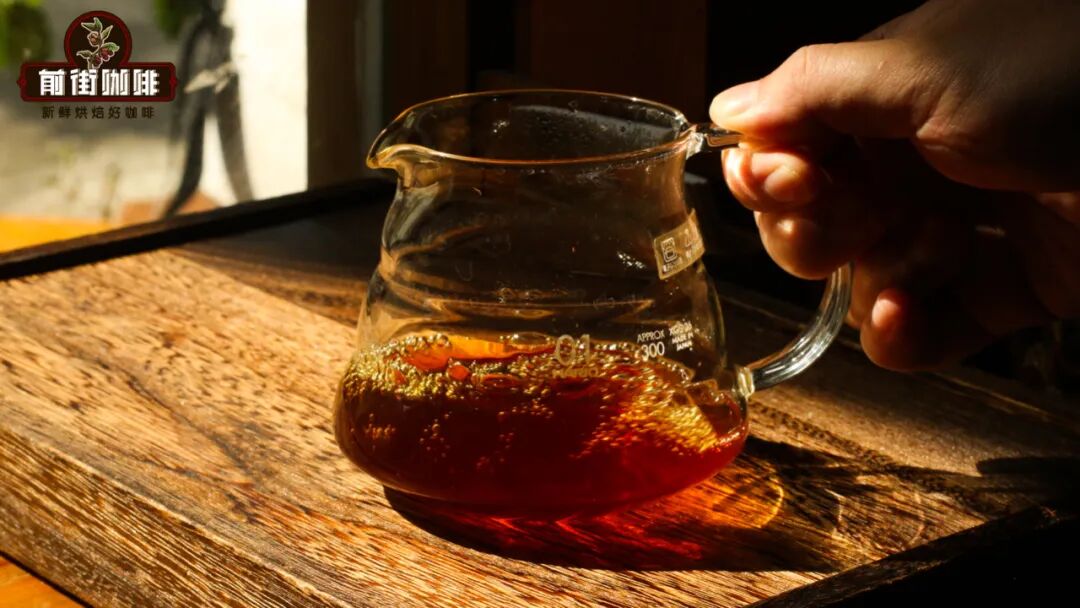
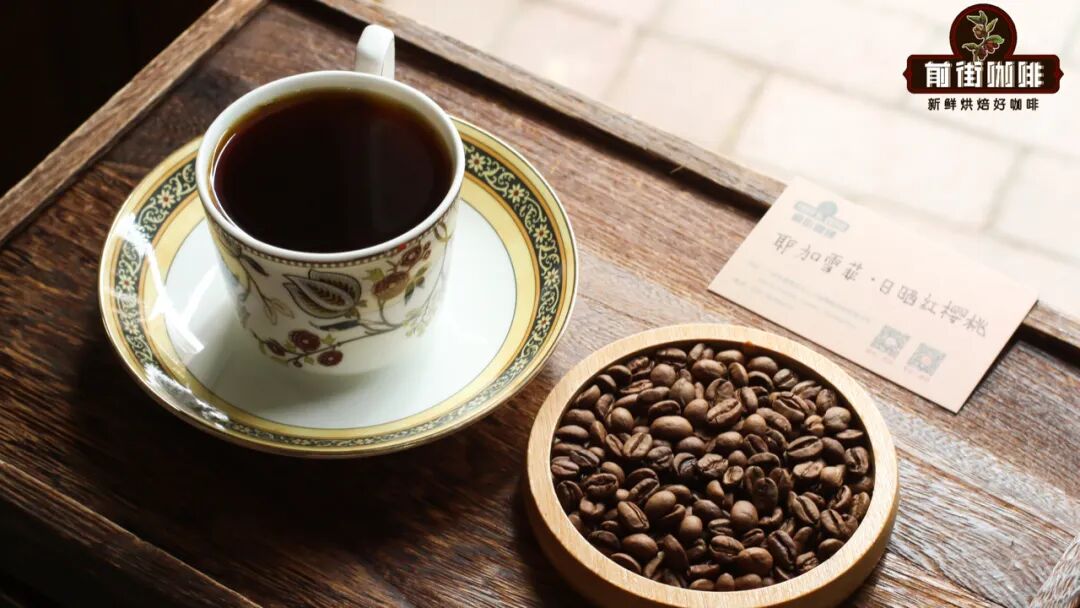
For example, take coffee from the same origin but processed differently: a sun-dried Red Cherry lot from Yirgacheffe, brewed using pour over (recommended parameters: 15g dose, 1:15 brew ratio, 92°C water temperature, grind size about 75% through a #20 sieve, brew time around 2 minutes), might offer pronounced citrus, berry, and yellow peach fruit acidity and sweetness on entry, accompanied by delicate jasmine floral notes, with an aftertaste of dried fruit and red wine aromas. The overall profile is full-bodied and layered. In contrast, a washed Guji Diding lot from the same origin, brewed under the same conditions, may highlight bright floral notes (like jasmine) on the front, followed by vibrant lemon and grapefruit acidity, paired with honey-like sweetness and a smooth oolong tea-like finish. The flavor is clear and the mouthfeel refreshing.
Additionally, many people believe that “sun-dried beans are sweeter, washed beans are more acidic,” and this is indeed a common observation. Beyond the fermentation characteristics inherent to each processing method, sun-dried beans are usually roasted slightly darker, which helps reduce sharp acidity and accentuates sweetness and body. Washed beans, on the other hand, are often medium to light roasted to better showcase delicate fruit acids and aromas. However, this is not absolute, as actual profiles can still vary depending on origin, variety, and roast strategy.
In summary, as long as you grasp the basic differences between sun-dried and washed in processing procedures, visual features, and flavor profiles, and then engage in actual brewing and tasting comparisons, even beginner coffee enthusiasts can quickly distinguish the two and further enhance their understanding and appreciation of coffee. Next time you enjoy a pour over, take a moment to observe the beans’ appearance and savor their subtle differences.



The above content is compiled by CoffeeHunters, a coffee news website.

