








Introduction:Whether it's a latte, cappuccino, or Dirty — for these classic milk coffees to truly shine, the key lies not in the milk, but in the espresso blend you choose. This article selects three top-notch espresso blends perfect for crafting milk-based drinks. We delve into their flavor profiles, ideal use cases, and extraction essentials, and also offer practical pairing suggestions for milk and espresso, helping you easily whip up a professional-grade milk coffee with rich crema and distinct layers.
The charm of milk coffee comes seven parts from the coffee and three from the milk. If the espresso itself lacks depth, no amount of milk will elevate it beyond a “milky drink.” Conversely, if the espresso is too sharp or intense, it can overpower the milk, throwing off the balance. Therefore, whether you're making a latte, cappuccino, or a uniquely flavored Dirty, choosing the right espresso blend is the first step toward crafting a great milk coffee.
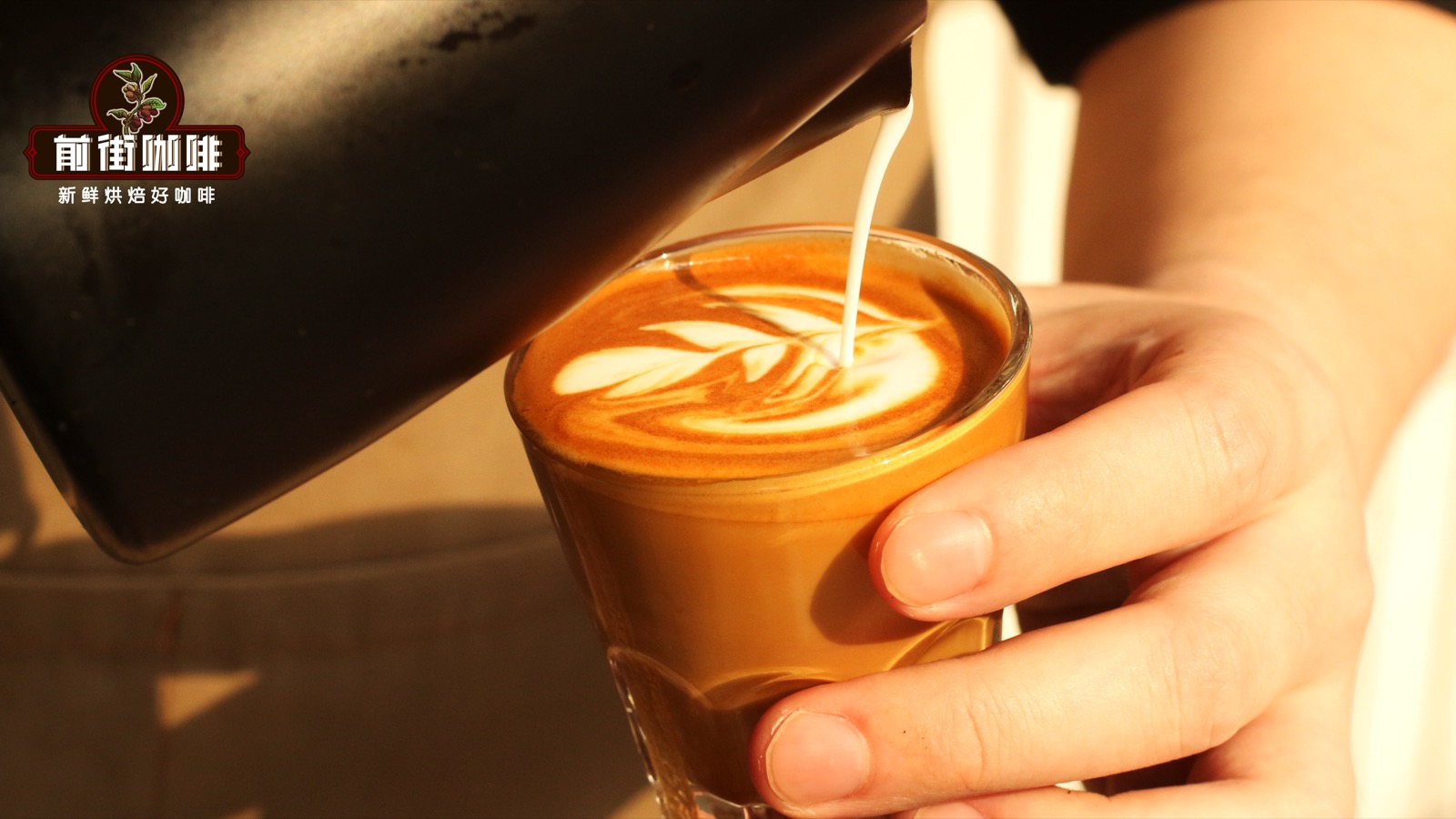
The following three highly-rated espresso blends we’re introducing focus on balanced flavor, high cost-performance, and prominent sweetness, respectively. They’re not only suitable for home brewing but also serve as reliable staples on the daily menus of many coffee shops.
First up is a well-known coffee brand’s “Classic Blend,” which uses a traditional Mocha-Java ratio. It delivers extremely stable crema performance, making it a versatile choice for milk coffees. When used in a latte, its delicate and velvety crema blends seamlessly with steamed milk, resulting in a rounded, full-bodied mouthfeel, while the coffee’s core aromas remain distinct and unmasked by the milk. For cappuccinos, where thicker milk foam demands greater body from the espresso, this blend’s rich base notes perfectly support the structural feel of the dense foam.
As for the Dirty, this blend really shows its strengths. Pouring hot espresso over ice-cold milk allows the crema to naturally rise to the surface, creating a beautiful layered effect. Being a dark roast, it boasts pronounced cocoa and nutty notes. During the cold-to-hot transition, its flavor unfolds in distinct layers — bold and inviting at first, then gradually softening into a smooth and refined finish. Worth noting is that the crema isn’t just a visual bonus — it acts as a flavor carrier, enhancing the smooth integration of coffee and milk while also aiding in latte art stability.
If you're after high cost-performance, a boutique coffee brand’s “Dark Cocoa Blend” is a solid pick. This 100% Arabica blend may be positioned as budget-friendly, but it doesn’t compromise on flavor. The dark roast highlights clear notes of dark chocolate and roasted nuts. When used in a latte, the natural sweetness of the milk and the slight bitterness of the coffee harmonize beautifully, offering a smooth sip with a subtle caramel aftertaste.
For coffee shops just starting out, this blend’s advantage lies in its ability to help control costs. Daily high-volume milk coffee production means bean pricing directly impacts overall profit margins. The Dark Cocoa Blend maintains a consistent taste while also helping you keep ingredient expenses low, making it a practical, economical base for your menu.
Prefer a milk coffee with pronounced sweetness? Then a specialty coffee brand’s “Autumn Chestnut Blend” should be your go-to. Blended from Honduran Catuai and Papua New Guinea Typica, this dark roast features intense flavors of roasted chestnut, caramel, and brown sugar, paired with a gentle acidity and an overall round, full-bodied mouthfeel. In a hot latte, the chestnut sweetness of Autumn Chestnut is further amplified by the milk, creating the feel of a cozy nutty caramel beverage. As a cappuccino, the thick foam wraps around the sweet profile, delivering rich layered flavors. The Dirty version is even more unique — the refreshing chill of the cold milk contrasts beautifully with the sweetness, offering a refreshing and novel taste experience.
These three blends each bring something special to milk coffee: a well-known coffee brand’s “Classic Blend” excels in balanced richness, suiting a variety of milk coffee styles and making it a top daily recommendation for cafés; an affordable coffee brand’s “Dark Cocoa Blend” emphasizes cost-performance, fitting high-frequency service and cost-conscious business models; while a seasonal coffee brand’s “Autumn Chestnut Blend” wins with its standout sweetness, beloved by customers who enjoy mellow, caramel-like flavors.
Practical Tips: For making milk coffee, it’s recommended to use whole milk with a protein content of 3.2% or higher, and steam it to a temperature between 55–65°C — this range balances foam stability and mouthfeel smoothness. Latte art isn’t mandatory, but milk foam thickness should be adjusted according to the drink — thinner for lattes, thicker for cappuccinos, and not specially frothed for Dirty.
For espresso extraction, the suggested starting parameters are 18g of coffee grounds, extracted for 25–30 seconds to yield about 36g of liquid. Fine-tune based on bean condition and machine characteristics. A special reminder: when making Dirty, it’s advised to pre-chill the cup, pour milk to about 80% full, and position the spout as close to the milk surface as possible during extraction to achieve a clear, attractive layered effect.
Lastly, don’t overlook the resting (aging) process. Freshly roasted espresso beans should rest for 7–10 days to allow internal CO₂ to dissipate properly. This not only stabilizes crema but also prevents excessive gas during extraction, which could lead to spraying and impact consistency. Remember, behind every great milk coffee is the perfect synergy of beans, milk, and extraction. Choose the right blend, fine-tune repeatedly, and you’ll be able to consistently produce a stunning, professional-grade milk coffee.
The above content is compiled by CoffeeHunters, a coffee news website.

