







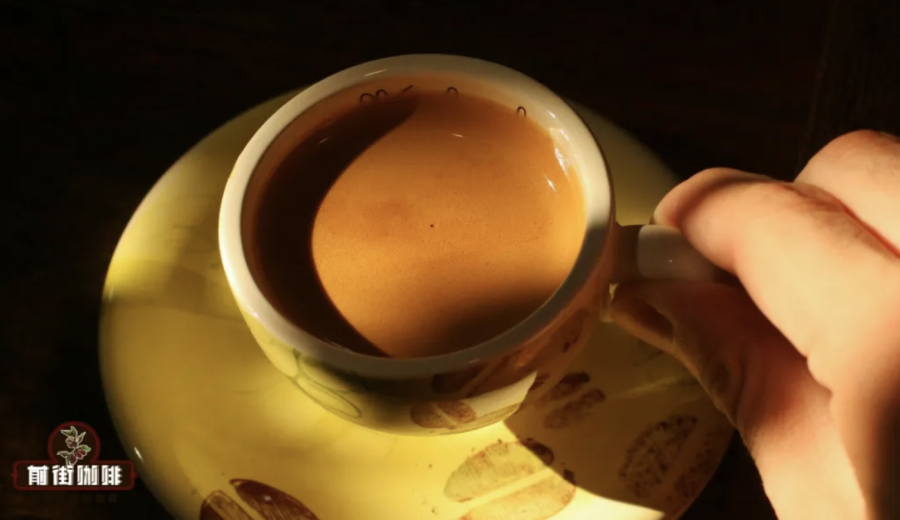
Introduction:Many coffee enthusiasts, after purchasing a home espresso machine, face their first major challenge: extracting rich crema as dense as that from a café. However, even after repeatedly adjusting grind size, coffee dosage, and water temperature, the crema remains thin. Often, the issue lies not with the machine itself, but with the choice of beans. This article will explore the science behind crema formation and recommend high-crema bean varieties suitable for home machines and moka pots, providing practical parameters and tips to help you easily achieve the ideal crema.
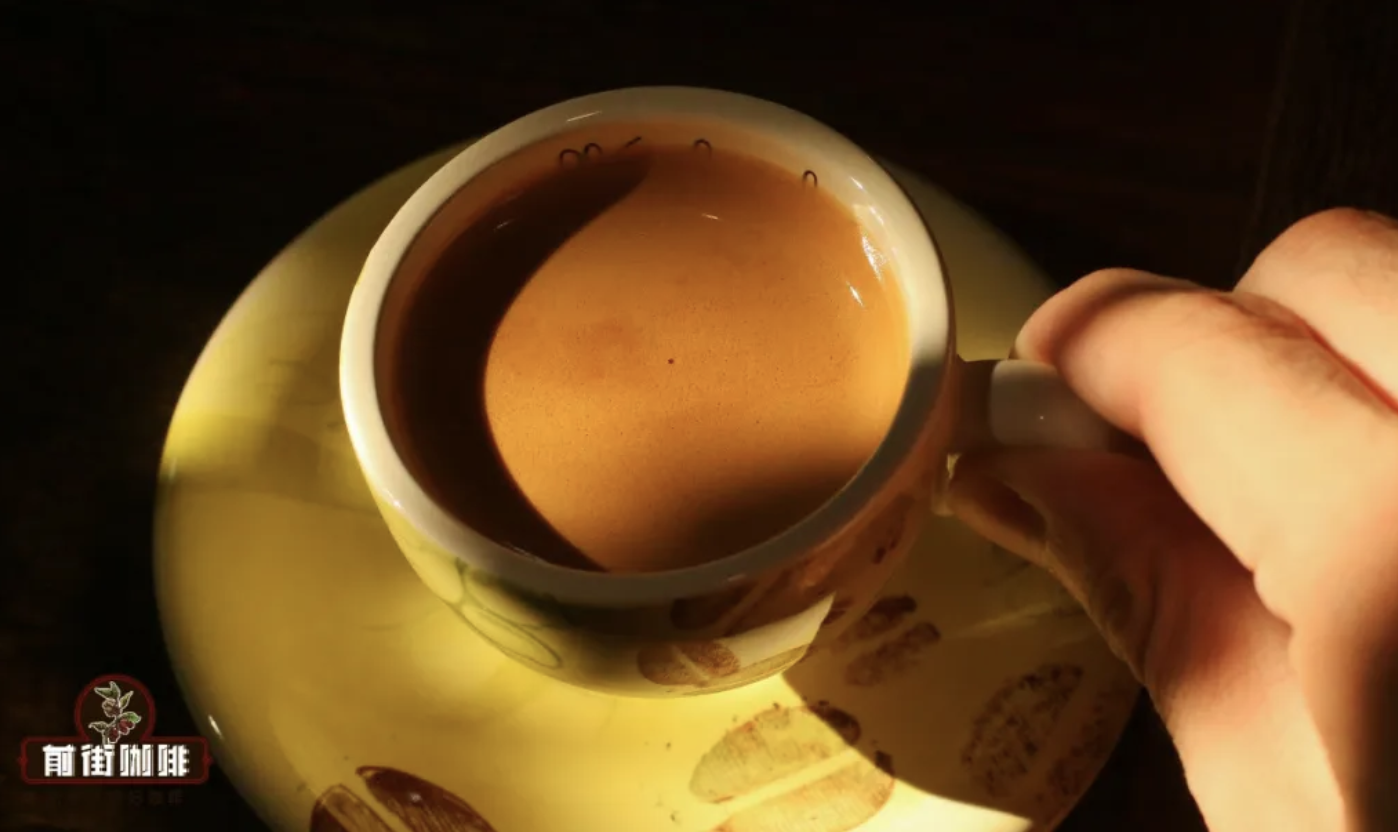
Crema is the fine, creamy foam layer formed during espresso extraction through the emulsification of carbon dioxide and coffee oils. This golden layer not only enhances visual appeal but also directly affects the smoothness of the coffee’s mouthfeel, aroma release, and even the latte art effect when steaming milk. Many beginners mistakenly believe that machine performance is the key factor, but in fact, choosing the right beans is the first step to extracting great crema.
The formation of crema relies on two key elements: carbon dioxide and fat content in the coffee beans. Dark-roasted beans generally perform better due to the high temperature releasing abundant carbon dioxide and rupturing cell walls to release more oils. However, if the roast is too dark leading to carbonization, or if the beans have been stored for too long causing gas loss, even perfect machine settings won’t yield rich crema. In contrast, espresso blends specifically designed for espresso extraction optimize both roast profiles and bean variety combinations for enhanced crema performance.
A common mistake beginners make is using light or medium roast pour over beans for espresso extraction. While these beans may offer bright and fresh flavors, they typically have low carbon dioxide levels and insufficient fat release, making it difficult to form a stable crema layer. It’s recommended to prioritize beans labeled as “espresso blend,” which are usually crafted by blending beans from different origins to balance acidity, sweetness, and body, while ensuring a sufficient roast level to support crema development.
Take the “Classic Blend” as an example—this bean variety, using a traditional Mocha-Java formula (Brazilian beans + Mandheling beans), is a standout performer in terms of crema. Brazilian beans provide nutty notes and a full body, forming the base of the espresso, while Mandheling contributes herbal aromas and a strong, bold body, enhancing the dense, velvety texture of the crema. Practical tests show that even with entry-level semi-automatic espresso machines, as long as basic parameters are correct, this bean variety can generally produce fine and long-lasting crema.
Another advantage of this blend isits high tolerance for user error. Beginners don’t need to precisely control every variable—as long as the dosage (12–14g for single shot / 18–20g for double), grind size (similar to that of fine sugar), water temperature (around 90–93°C), and extraction time (25–30 seconds) are kept within reasonable ranges, stable extractions with golden crema can usually be achieved. It’s recommended to first ensure the flow is smooth without clogging or obvious spraying, then gradually fine-tune details.
It’s worth noting,moka pot users can also benefit from high-crema beans. Since moka pots extract coffee using steam pressure (about 1–2 bar), much lower than the 9 bar of commercial espresso machines, they place stricter demands on the bean’s extractability. Beans with poor crema performance tend to result in thin-tasting shots in moka pots, and adding milk later often can’t mask the flaws. The bold character of the Classic Blend can compensate for the lower pressure, producing shots that are not only rich and layered but can also be diluted into a well-balanced Americano or transformed into a creamy latte with milk.
In summary, if you want to replicate café-quality crema at home, investing in high-quality espresso blends is more effective than upgrading your equipment. Choose beans with a fresh roast date (ideally used within 2–4 weeks of purchase) and a blend formula optimized for espresso extraction. With basic parameter adjustments, even entry-level machines can produce satisfying crema. Remember, the key to great crema always lies in the beans—this is the first step you can take to significantly elevate your coffee quality without spending a fortune.
The above content is compiled by CoffeeHunters, a coffee news website.

