







Introduction:Brazil is the world’s largest coffee producer, but this land was actually not suitable for coffee cultivation in its early days. From altering the terrain and varieties to developing numerous renowned coffee-growing regions, how did Brazilian coffee make a remarkable turnaround to become a key player in the specialty market? This article takes an in-depth look at Brazil’s major coffee-growing regions, the characteristics of popular varieties such as Yellow Bourbon, the unique flavors of the Queen’s Estate Natural Yellow Bourbon, and finally shares expert pour-over parameters so you can fully grasp the essence of Brazilian coffee.
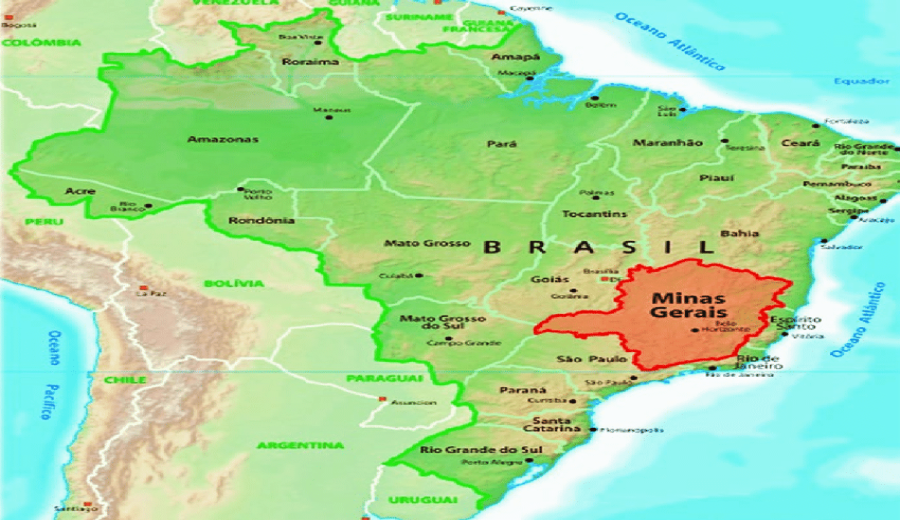
When it comes to global coffee production, Brazil is undoubtedly the leader. Its annual coffee bean output reaches approximately 2.7 million metric tons, accounting for nearly one-third of the world’s total. However, Brazil’s terrain and climate were originally not conducive to coffee growing—the landscape was relatively uniform, the climate was on the dry side, and elevations were generally low, averaging only around 1,000 meters. In the early days, in pursuit of yield, harvests often mixed ripe and unripe fruits, negatively impacting green bean quality. But with soil improvement, varietal optimization, and other advancements, Brazil has gradually solidified its status as a coffee powerhouse.
Currently, Brazil’s coffee-growing regions are mainly concentrated in the central and southern parts of the country, spanning seven states and about 14 major producing areas. These include Sul de Minas, Minas Mountains, Chapada de Minas, Matas de Minas, Mogiana, Centro-Oeste de São Paulo, Montanhas do Espírito Santo, Conilon Capixaba, Cerrado, Planalto da Bahia, Atlântico Baiano, Paraná, Rondônia, and more. Among them,CerradoandSul de Minasare regarded as two key regions that contributed to the rise of Brazilian coffee.
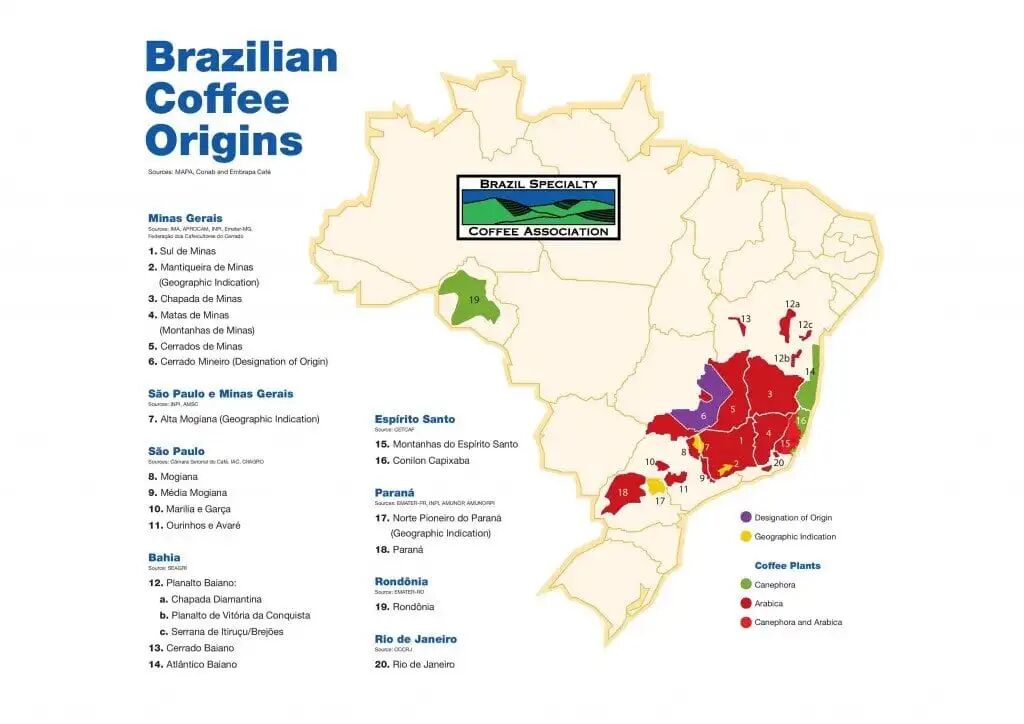
The Cerrado region is located on the Brazilian central plateau, spanning multiple provinces, and falls within the vast tropical savanna climate zone. This grassland is the largest tropical savanna in South America, boasting a unique ecosystem of flora and fauna that is distinctly different from the Amazon rainforest. Coffee farms in Cerrado are mostly situated at elevations of around 1,000 meters in mountainous areas, with fertile, mineral-rich soils. Local producers commonly use washed or semi-washed processing methods, resulting in clean coffee flavors with a unique roasted rice tea note in the aftertaste, along with occasional nutty or creamy sweetness.

The Cerrado Coffee Region specifically refers to the plateau savanna area within Minas Gerais state at elevations between 850 and 1,200 meters, distinct from the neighboring Sul de Minas region. With its flat terrain, distinct wet and dry seasons, and cooler plateau climate, the coffee cherries here ripen more uniformly, leading to high flavor consistency among the beans. As a result, Cerrado stands out among many Brazilian regions and has become one of the representatives of premium Brazilian beans.
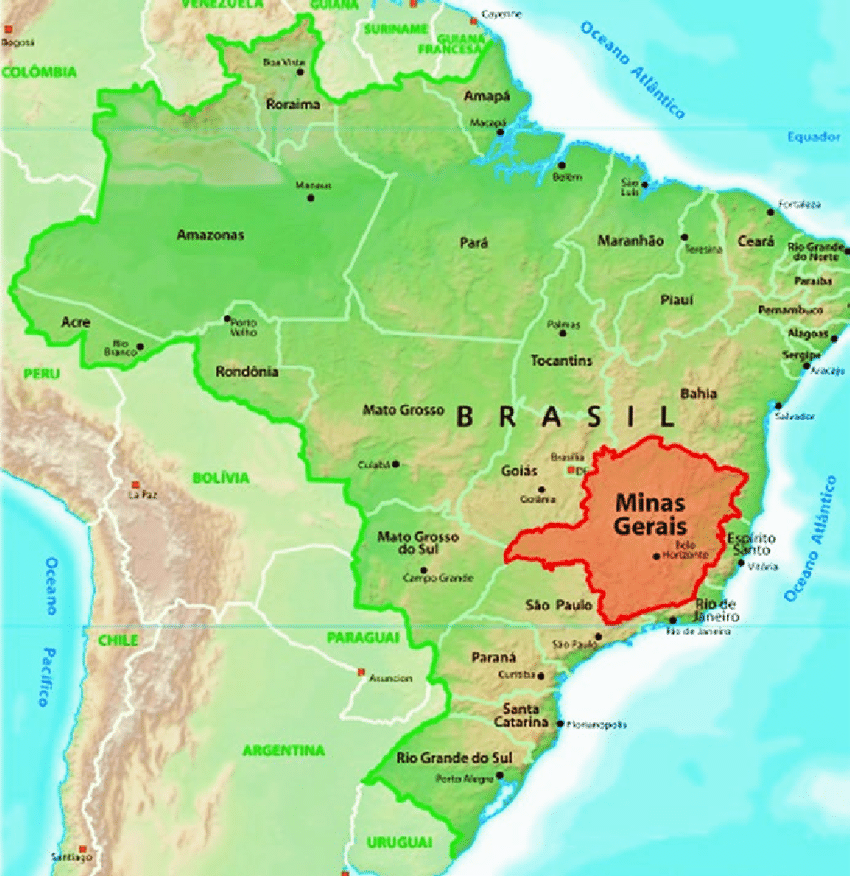
Sul de Minas is known for its distinct wet and dry seasons, with abundant summer rainfall aiding coffee fruit development. However, the region's soil has higher iron content and lacks key nutrients such as nitrogen and calcium. To address this issue, the Brazilian government invested heavily, using advanced techniques to adjust the mineral composition of the soil and establish large-scale irrigation systems, overcoming the original challenges of poor soil fertility and aridity. It is worth mentioning that Minas Gerais state alone produces nearly half of Brazil’s total coffee output, making it the most crucial origin of Brazilian coffee.
Looking back at the evolution of Brazilian coffee varieties, Typica was first introduced in 1927 but was quickly phased out due to low yields and susceptibility to disease. In 1869, Brazil brought in the Bourbon variety from either the Bourbon Island or Yemen, and its high productivity soon made it the dominant cultivar. In 1935, Brazil discovered the Bourbon mutation 'Caturra', but it didn’t perform well initially and never became a mainstream variety. Today, the main coffee varieties cultivated in Brazil include Bourbon, Catuai, Mundo Novo, and Maragogype.
Among these,Yellow Bourbonis a standout premium variety. Take Fazenda Rainha (Queen’s Estate) as an example: this farm, located in the Mogiana region of São Paulo state, covers a planting area of 280 hectares, with as much as 200 hectares dedicated exclusively to Yellow Bourbon. The area benefits from its elevation (1,400–1,950 meters) and favorable microclimate, making it an ideal environment for cultivating high-quality specialty coffee.
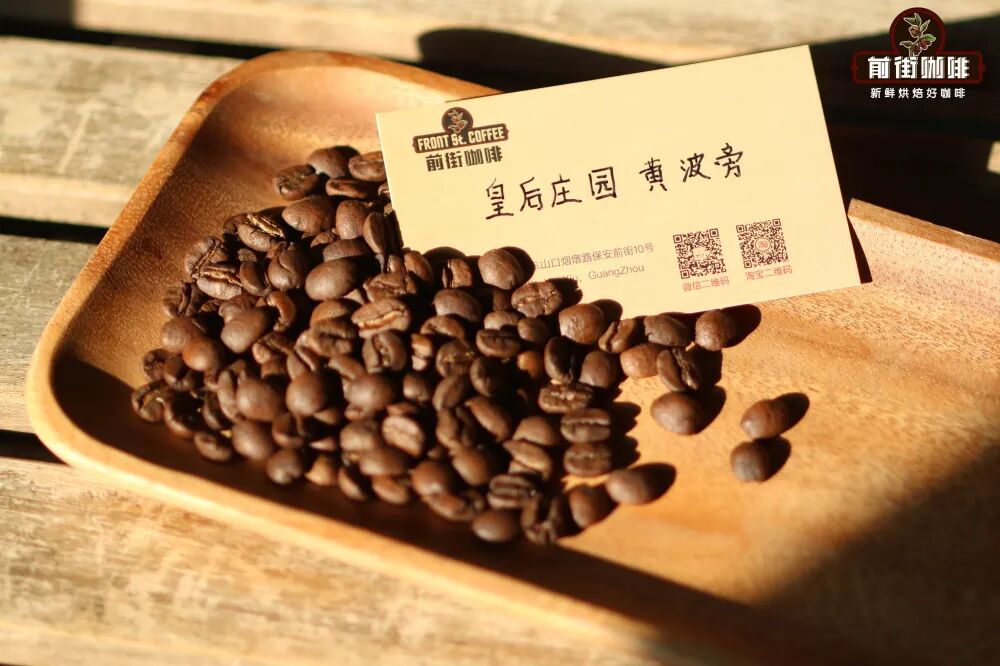
This Yellow Bourbon coffee from Queen’s Estate is processed usingthe natural (sun-dried) method. With a medium roast level, it showcases rich nutty tones and chocolate flavors, with low acidity but a notably sweet and pronounced aftertaste. During low-temperature brewing, subtle fermented fruit notes can also be detected, offering a layered cup profile. This bean is also a popular entry choice for many coffee enthusiasts exploring Brazilian specialty coffee.
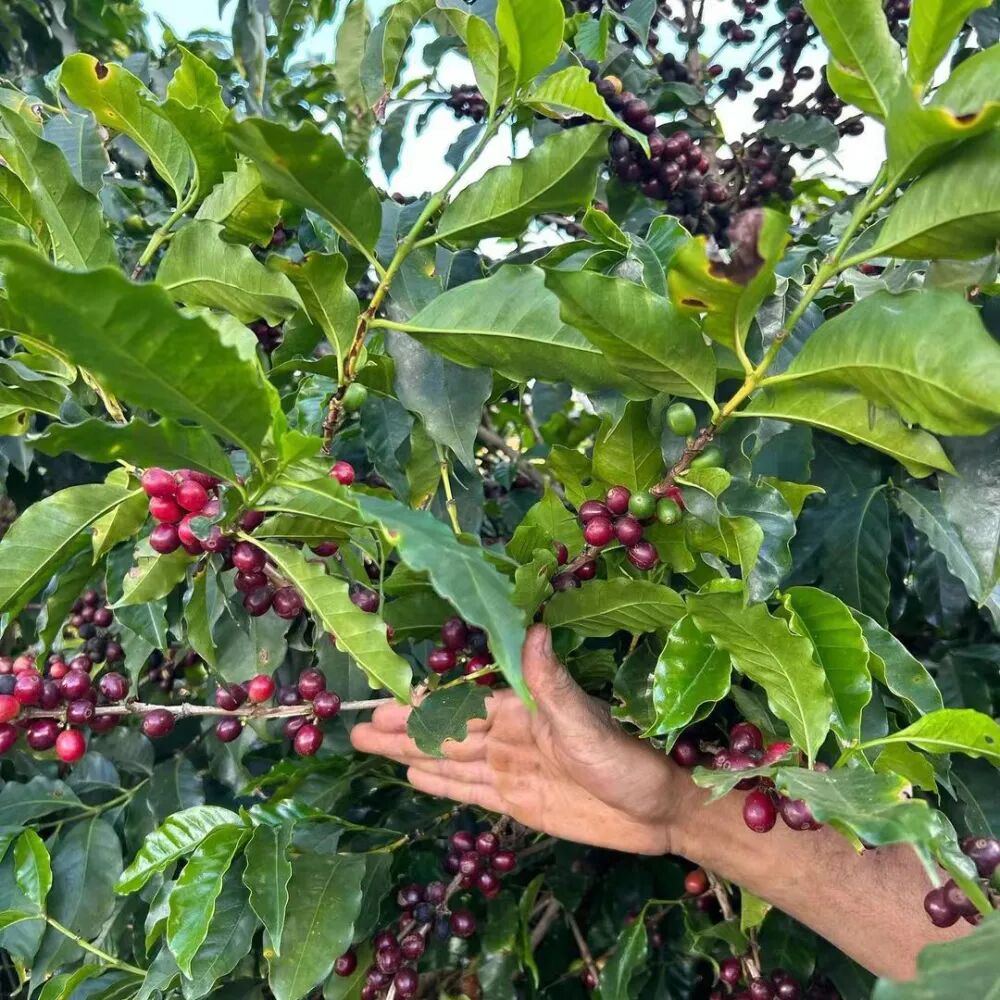
In recent years, Brazilian coffee processing methods have become increasingly diverse, including washed, semi-washed, pulped natural (semi-dry), and natural (sun-dried), each imparting distinct flavor profiles. Particularly with pulped natural, semi-washed, and natural processes, the unique personality of Brazilian coffee is highlighted, forming an intriguing contrast to the traditionally perceived low-acid, full-bodied style. Especially in high-elevation regions such as Cerrado and Mogiana, the application of these methods yields even more impressive results.
For medium-to-dark roasted Brazilian coffees like the Queen’s Estate Yellow Bourbon, the pour-over brewing method is also critically important. Below are some practical pour-over recommendations to help bring out its rich, nutty, and chocolatey flavors while avoiding over-extraction that could lead to bitterness.
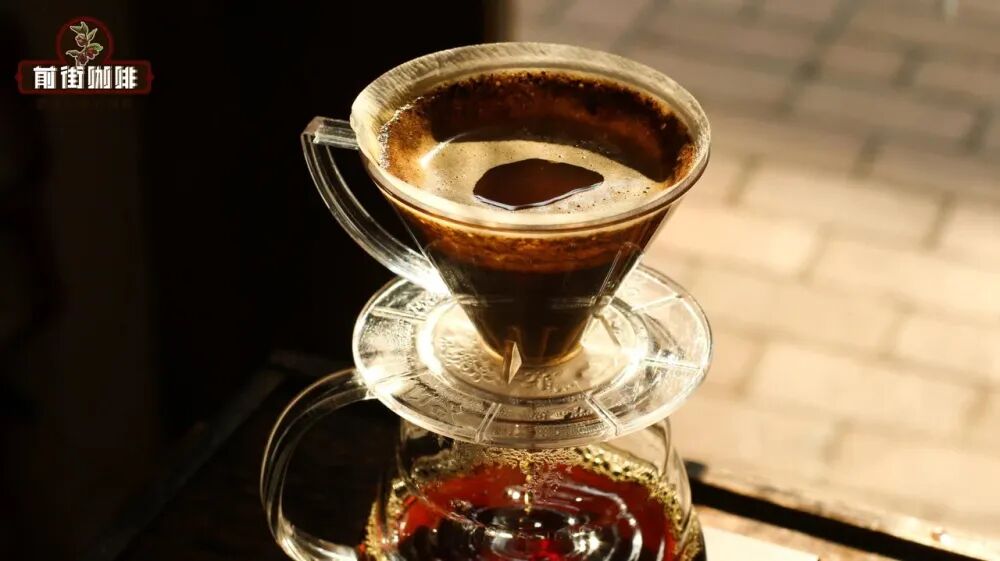
Recommended pour-over parameters are as follows:
• Dripper: Kono dripper
• Water temperature: 88°C (helps lower extraction rate and avoid over-extraction)
• Coffee dose: 15 grams
• Coffee-to-water ratio: 1:15
• Grind size: Medium-coarse (approximately 75% passing through a standard Chinese No. 20 sieve)
The design of the Kono dripper differs from the V60—its internal ridges are shorter, making it less likely to guide water through quickly. Instead, it creates a kind of “siphon effect” during brewing, causing the filter paper to adhere closely to the walls and slowing down the water flow, thereby extending the contact time between coffee grounds and water. This characteristic helps enhance body and smoothness, making it very suitable for medium-to-dark roasts like Queen’s Estate Yellow Bourbon, Blue Mountain coffee, or Golden Mandheling.

In summary, Brazilian coffee has evolved from an era focused primarily on yield to one of refined quality and diverse processing methods. Whether it’s the consistent flavors from the Cerrado plains or the Yellow Bourbon natural specialty beans from the highlands of Mogiana, all showcase the deep-rooted heritage of Brazil as a coffee giant. If you enjoy bold, nutty, and chocolatey coffees, Brazilian beans are definitely worth trying—and with the right pour-over technique, their full potential can be beautifully unlocked.
The above content is compiled by CoffeeHunters, a coffee news website.

