








Introduction:Looking for an entry-level coffee bean with stable flavors that’s perfect for practicing pour over? Washed-process beans from the Huila region of Colombia, with their clean and balanced taste and easy-to-grasp flavor profile, have become an ideal choice for many coffee beginners. This article takes an in-depth look at the growing environment, variety characteristics, and processing methods of Huila beans, and provides practical pour over recommendations and parameter settings to help you more easily appreciate the delicate charm of Central and South American coffee.
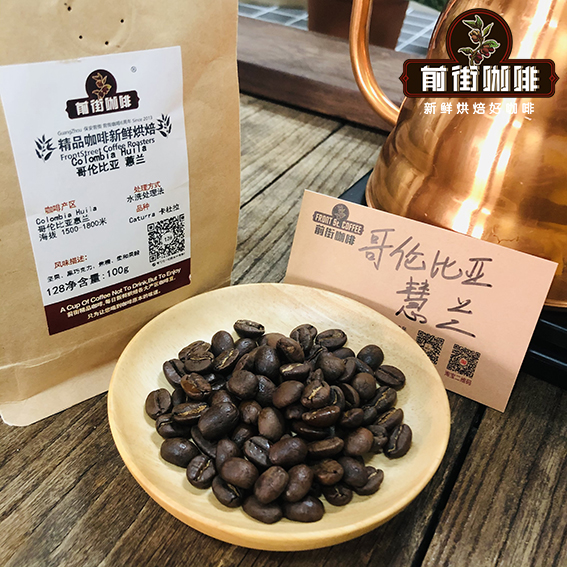
For those who are just starting out with pour over coffee, it’s very important to choose a coffee bean with clear flavors and balanced layers. The washed-process coffee beans produced in Colombia’s Huila (Huila) region are an excellent entry-level option. Compared to the bright, high-acid Yemeni Yirgacheffe or the rich, low-acid Indonesian Mandheling, Huila washed beans exhibit a gentler, rounder character that is beginner-friendly and easy to manage.
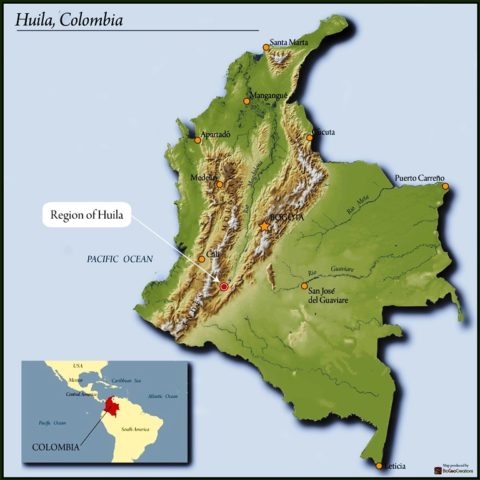
Huila is located in the mountainous region of southern Colombia, surrounded by the Andes Mountains, with a cool climate and significant day-night temperature variations. The area is not only shielded from cold winds by the surrounding mountains but also regulated by cool mountain breezes during high temperatures. In addition, major rivers running through the region provide abundant water resources and a favorable microclimate, creating an environment highly suitable for coffee cultivation. Thanks to its consistently high-quality coffee output, Huila has become one of Colombia’s most important specialty coffee regions.
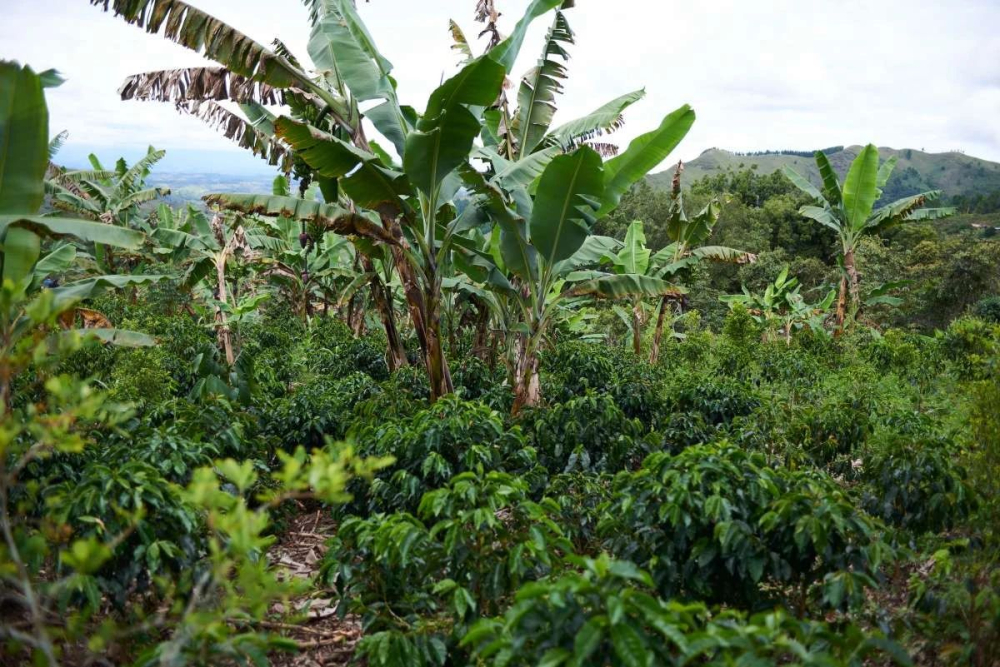
Coffee cultivation in this region is mostly concentrated at altitudes above 1,500 meters. The volcanic soil is rich in minerals, and the distinct wet and dry seasons — with the dry season typically occurring from June to September and the rainy season extending from October to May of the following year, while the harvest period is concentrated from April to June each year — all contribute to the production of coffee beans with bright acidity, soft fruit aromas, and layered complexity. The combined effects of high altitude and volcanic soil often give Huila beans fruity notes reminiscent of juice, nutty tones, and caramel sweetness.
In terms of varieties, in addition to common Central American types such as Caturra, Bourbon, and Typica, the Huila region also grows disease-resistant varieties cultivated locally in Colombia, such as Castillo, Tabi, and the 'Colombia' variety. Some advanced farms have even introduced popular varieties like Geisha, enriching the flavor spectrum of the region’s coffee.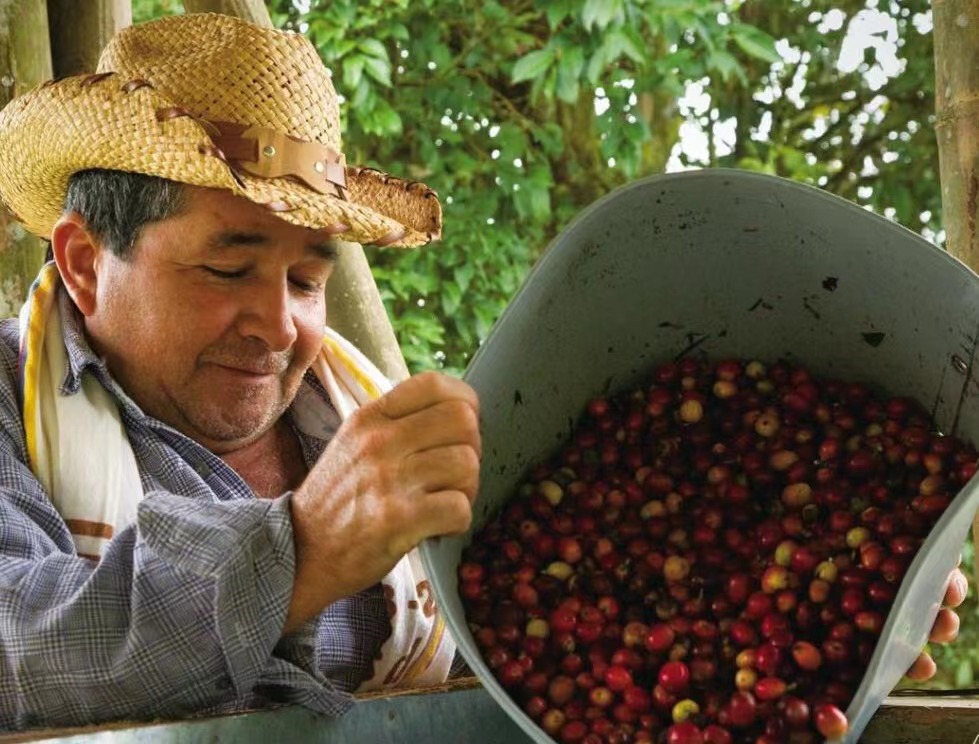
Another hallmark of Huila coffee is its rigorous harvesting and processing procedures. Local farmers generally hand-pick only fully ripe red cherries to ensure consistent coffee fruit quality. In terms of processing methods, washed processing is the most common approach, using clear mountain spring water for fermentation. This not only enhances the cleanliness of the acidity but also strengthens sweetness and clarity of flavor. During processing, farmers use specially designed depulpers (such as Ecomill or Eco-Pulper) to remove the pulp with minimal water, then place the parchment-covered beans in small tanks for about an overnight static fermentation. Finally, the beans are rinsed with clean water and dried in the sun to reach the appropriate moisture content.
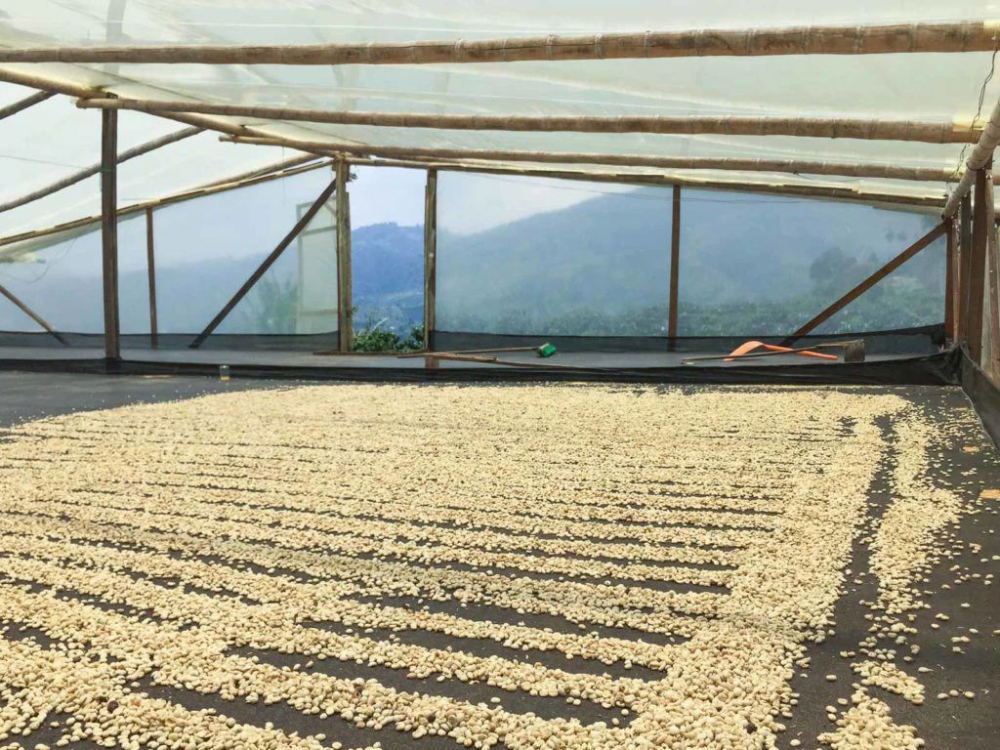
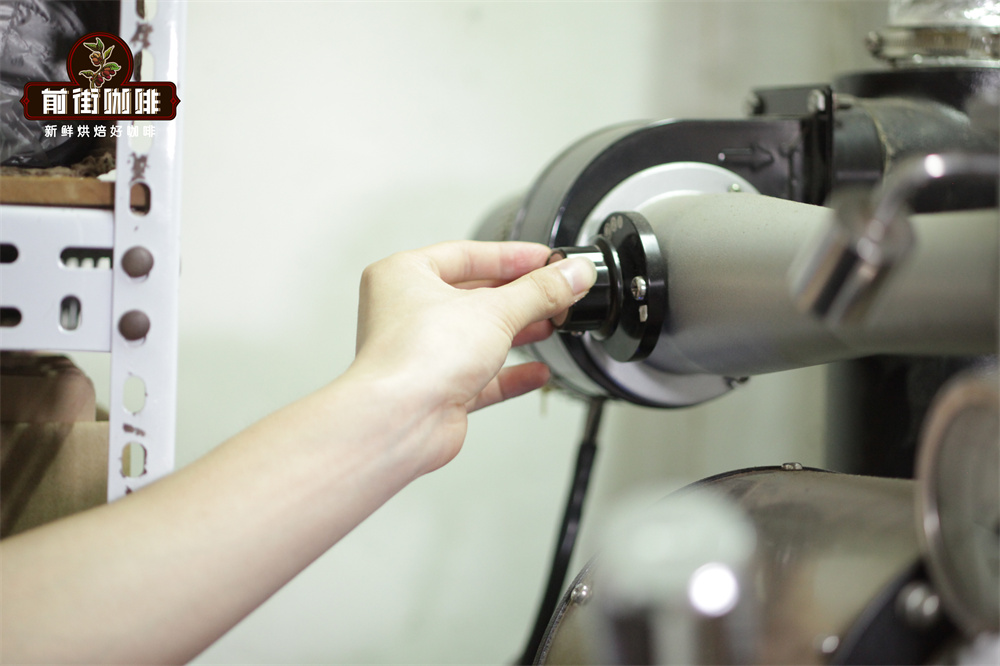
During the roasting stage, to highlight the nutty tones and chocolate aromas of Huila washed beans, many roasters opt for a medium-dark roast. This roast level retains a moderate expression of fruit acidity while imparting caramel and nutty aromas through the Maillard reaction, resulting in a more rounded and balanced overall flavor that suits the taste preferences of most coffee drinkers.
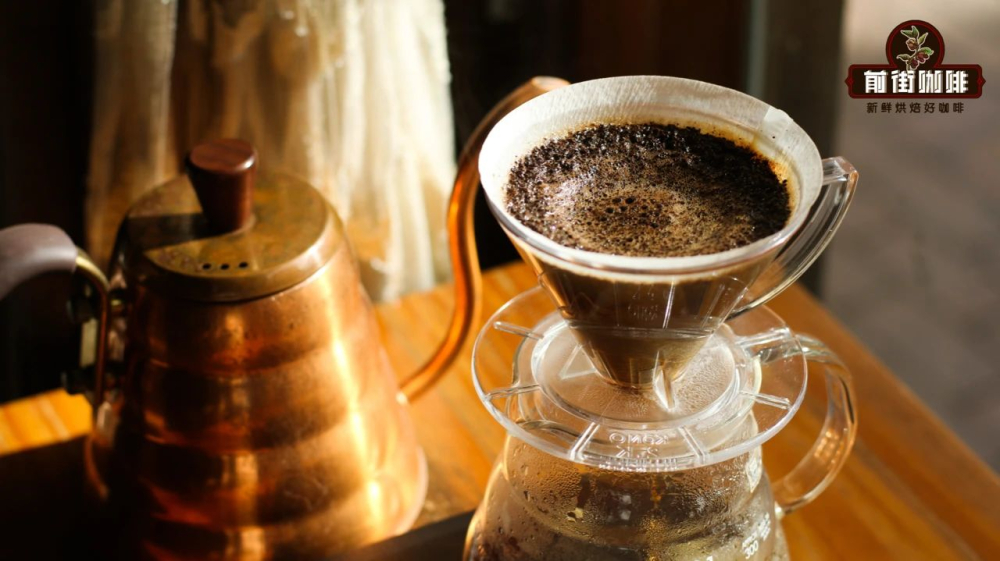
For the characteristics of Huila washed beans, it is recommended to use a KONO filter cone paired with a medium grind size (e.g., 75% passing through a #20 sieve), with water temperature controlled at around 90°C and a coffee-to-water ratio set at 1:15. Using 15 grams of coffee as a base, the total brewing water volume is 225 grams. It is suggested to use a three-stage pouring method: first, perform a 30-second bloom with twice the amount of water (about 30 grams), then pour in a thin stream in circular motions from the inside out until reaching 125 grams, pause briefly, wait for the water level to drop, and continue pouring until reaching 225 grams. The overall extraction time should be controlled at around 2 minutes, which helps reduce the risk of over-extraction and presents the optimal flavor profile.
The brewed Huila washed coffee delivers a mouthfeel where the aromas of chocolate, nuts, and caramel are distinctly noticeable. The taste is rich and smooth, with a gentle and pleasant acidity, excellent overall clarity, and a warm, sweet aftertaste. As the temperature drops, the layers of acidity become even clearer, making it suitable for coffee lovers who enjoy balanced and mellow flavors, as well as an excellent choice for practicing pour over techniques.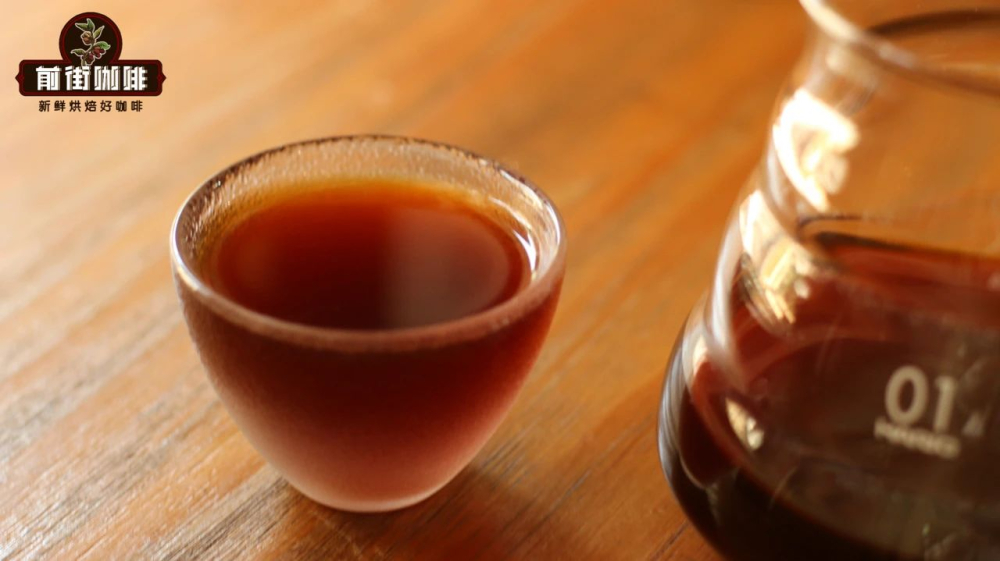
The above content is compiled by CoffeeHunters, a coffee news website.

