
Introduction:Coffee cupping is the core method used in the industry to evaluate coffee quality and flavor. Through a standardized process, it can objectively present the true characteristics of coffee beans. This article details the standard parameters, operational steps, and practical tips of cupping, helping readers master the professional cupping process. Whether you're an industry professional or a coffee enthusiast, you can gain a deeper understanding of a coffee's potential and characteristics through cupping.
Among the many coffee brewing methods, each imparts unique flavor profiles to the coffee. However, if you want to assess the intrinsic flavor and quality of coffee with minimal human interference, cupping is an indispensable professional tool. Cupping is an immersion-style extraction method that does not involve subjective techniques such as pour over or tamping, and can restore the inherent taste characteristics of coffee beans to the greatest extent.
The application scope of cupping is very broad. It is not only an important means for green coffee suppliers and roasters to evaluate quality, but also the standard procedure for judging the merits of coffee in international coffee competitions. In addition, many of the flavor descriptions marked on coffee packaging are also the results recorded through cupping. For consumers, cupping is equally valuable, as it helps drinkers directly experience the original flavors of coffee and serves as a reference for selection and brewing.
Below, we will introduce the various parameter settings for standard cupping. First, it is recommended to use coffee beans roasted about eight hours prior to ensure stable flavors. During cupping, a common ratio is 11 grams of coffee grounds to 200 milliliters of water. The bowl capacity is recommended to be 200 milliliters. If you don't have a professional cupping bowl, you can also use a wide-mouth cup or ordinary bowl with a similar capacity. The grind size of the coffee grounds should be controlled between 70% to 75% passing through a No. 20 standard sieve, and the water temperature should be maintained at 94°C. The entire cupping session typically lasts about four minutes. It is recommended to use water with a TDS value between 75 and 250 ppm to ensure optimal extraction.
The first step of cupping is grinding the coffee beans. After grinding a set amount of coffee beans, pour them into the cupping bowl. At this point, the aromatic compounds in the coffee are rapidly released, making it the perfect time to perform the “dry aroma” sniff. It is recommended to complete this step within ten minutes after grinding to avoid excessive aroma dissipation. The dry aroma sniffing process helps evaluators initially determine the dry aroma characteristics of the coffee, such as nuts, dried fruits, or floral notes, establishing a foundational impression for subsequent tasting.
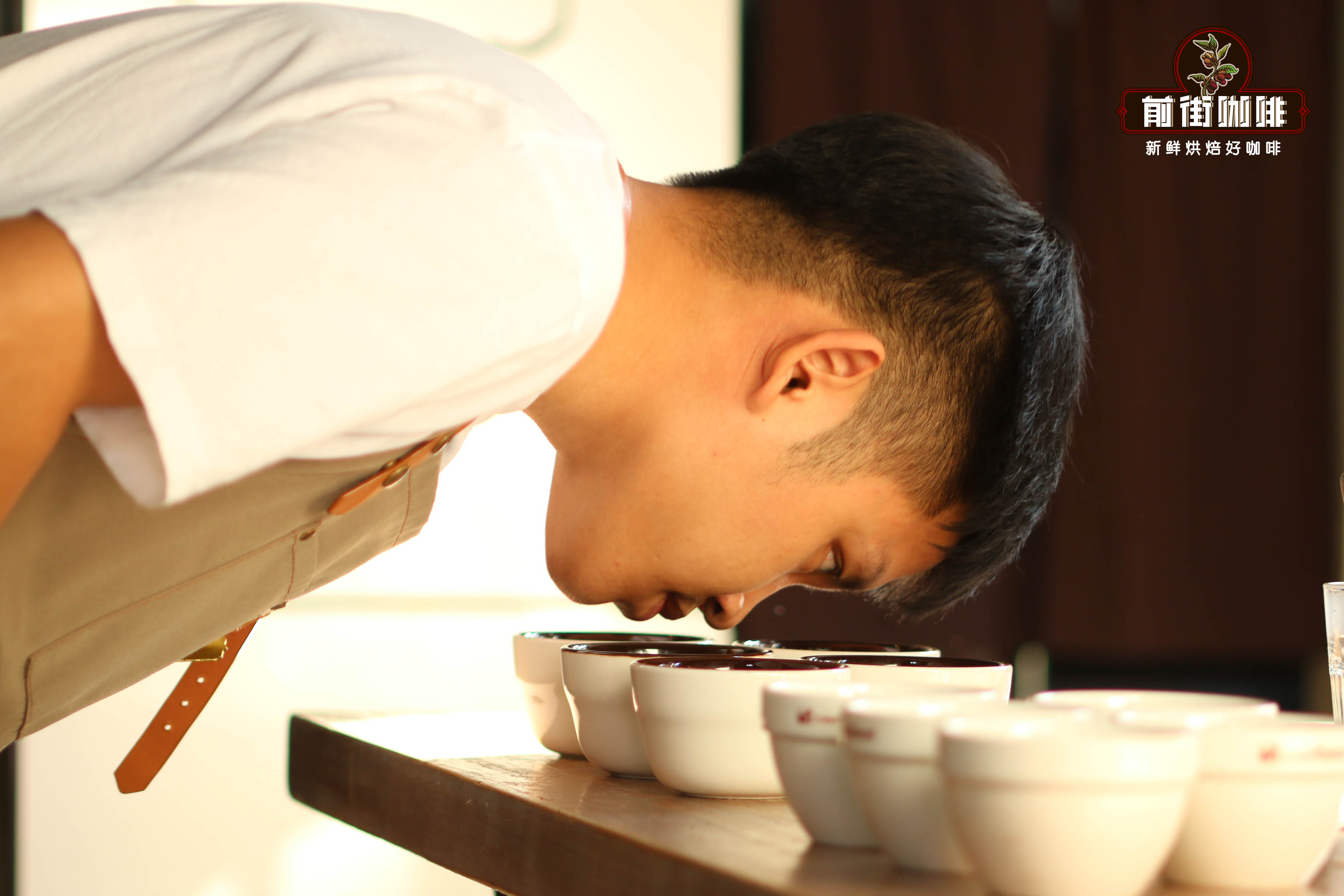
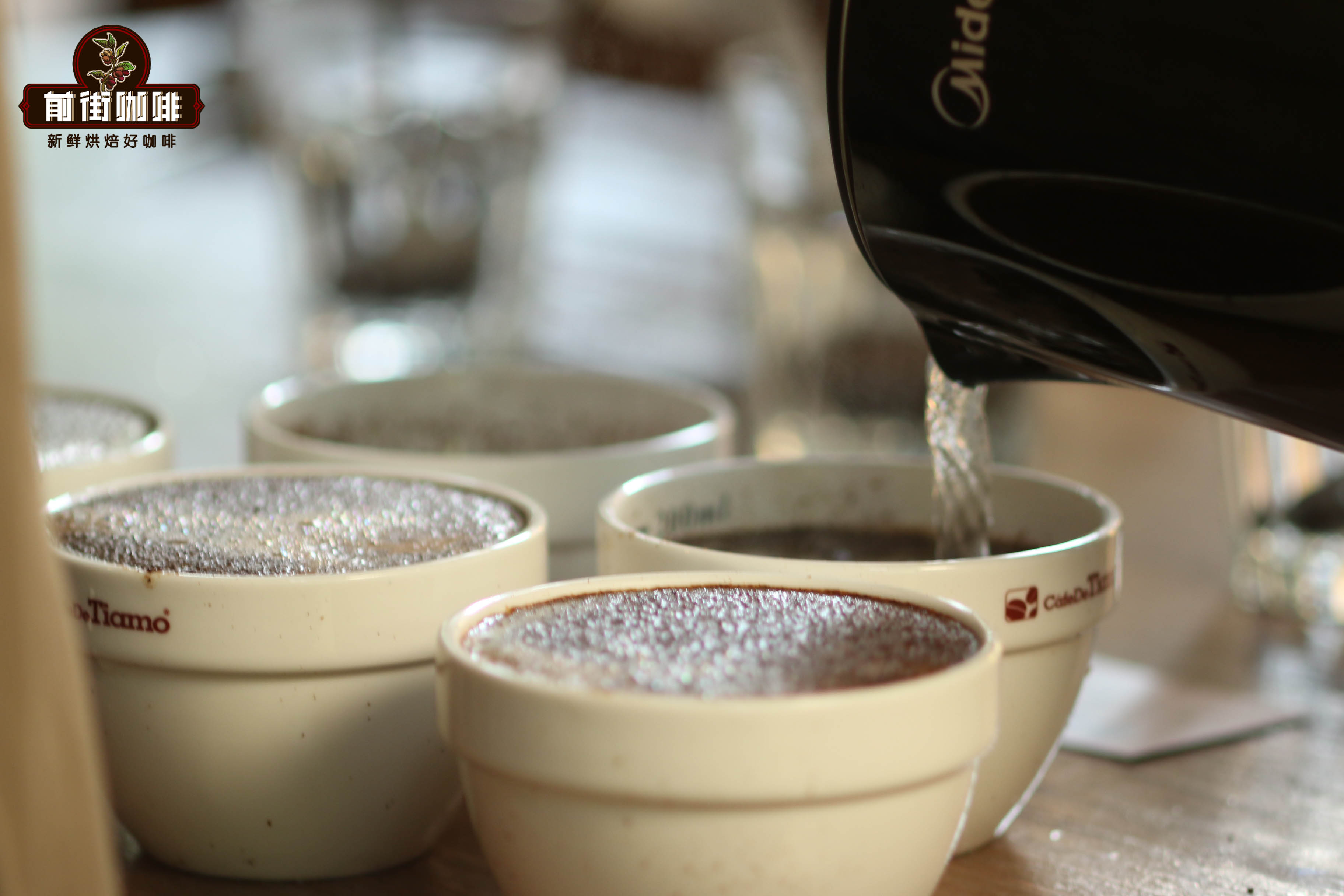
Next comes the water pouring stage. After confirming the dry aroma, pour 200 milliliters of 94°C hot water into the cupping bowl. If using a professional cupping bowl, the water level will usually just reach the edge of the bowl. Start the timer from the moment of pouring, allowing the coffee to steep for four minutes. During this period, you can continue to smell the “wet aroma” released by the coffee, including sweet, caramel, or fruity scents, further enriching your sensory impression of the coffee.
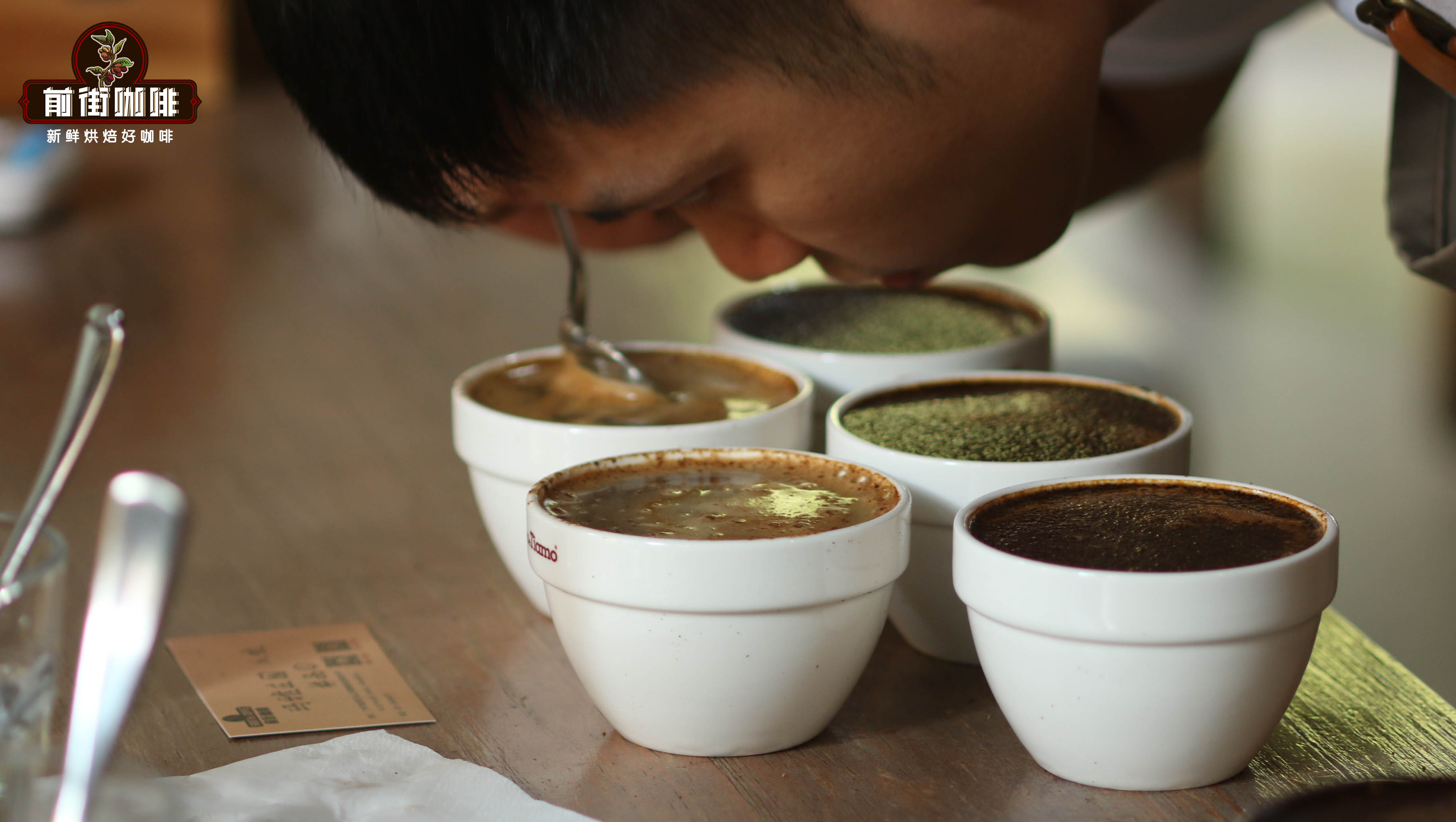
After four minutes of steeping, move on to the “crust breaking” stage. At this point, gently stir the coffee surface three times with a cupping spoon to disperse the floating coffee grounds, forming a layer of golden foam. This action not only helps release more aromas but also prepares for the subsequent skimming. While breaking the crust, it is recommended to bring your nose close to the cup surface to capture the unique aroma characteristics of this stage.
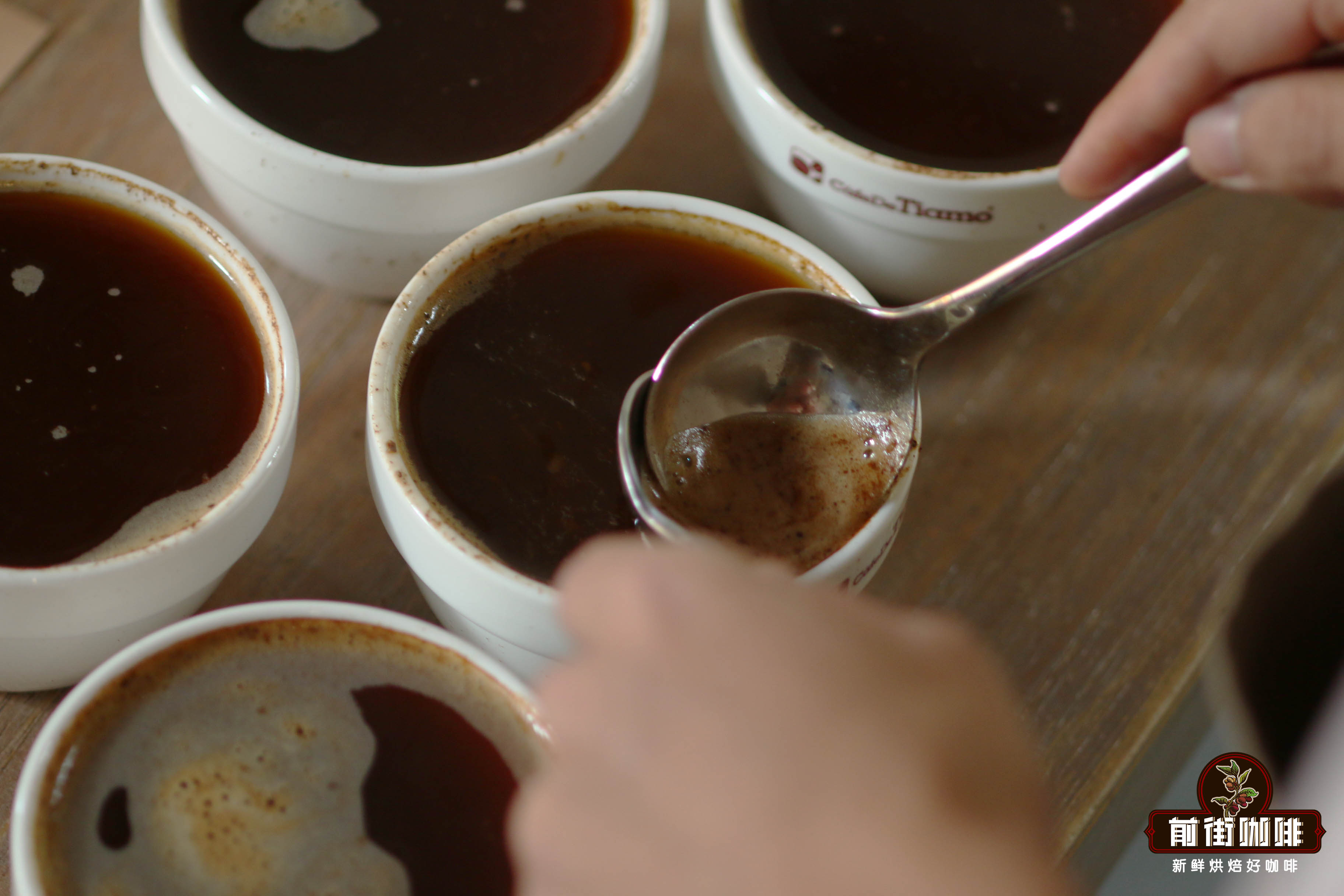
Immediately following is the “skimming” step, which must be done right away. Using two cupping spoons, carefully remove the floating coffee grounds and foam from the surface. Pay attention to hygiene during this process—rinse the spoon with clean water after each skim and thoroughly dry it with a paper towel to avoid residual grounds affecting the evaluation of the next cup. This step is crucial for maintaining the accuracy of the cupping.
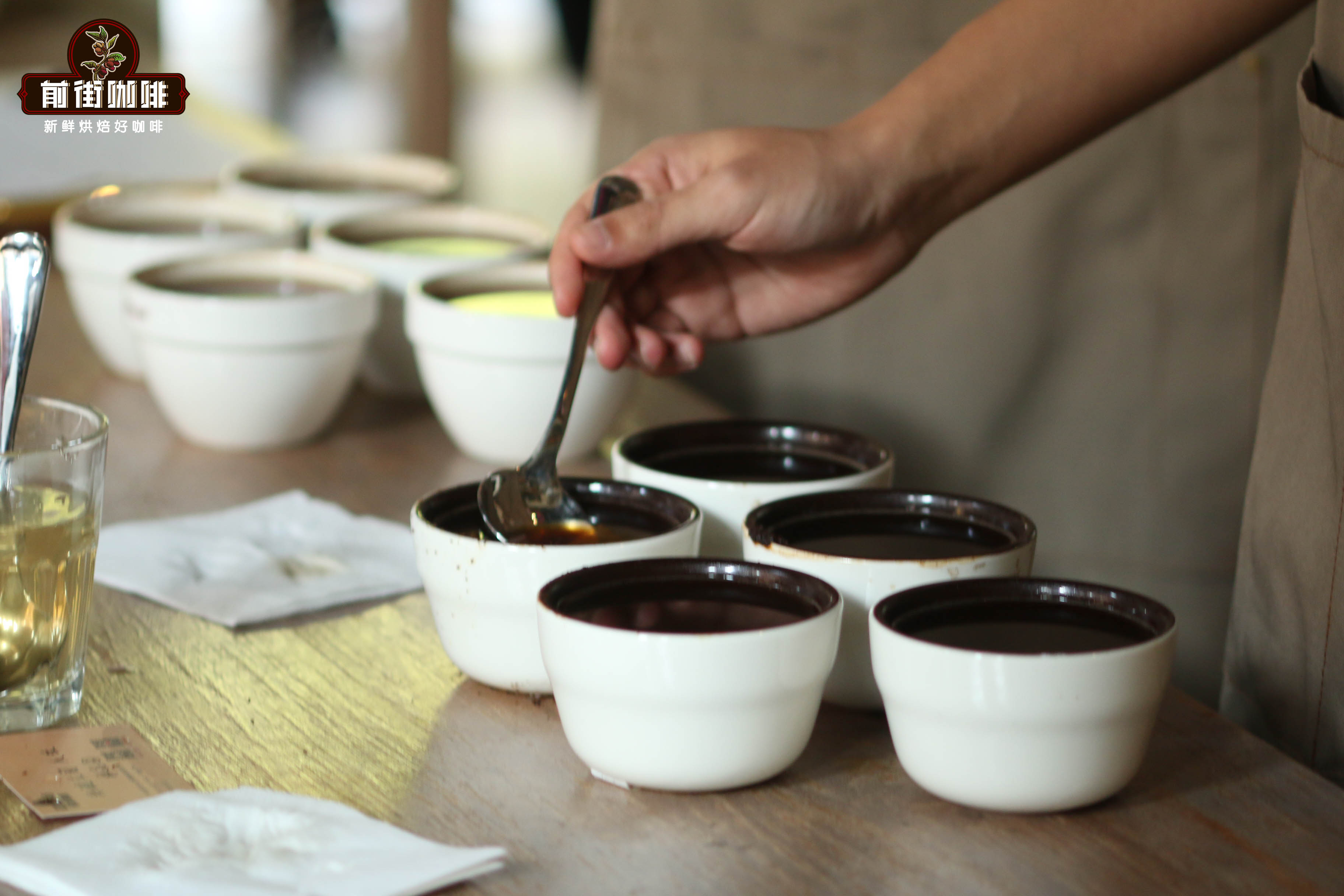
Finally, comes the coffee tasting stage. It is recommended to wait about one minute after skimming before beginning to slurp and taste. During tasting, use a cupping spoon to scoop the coffee liquid, observe its color, then smell its wet aroma, and finally slurp the coffee to aerosolize it, allowing the flavor molecules to fully enter the nose and mouth. Slurping not only amplifies the flavor perception but also helps identify details such as the coffee’s acidity, sweetness, body, and aftertaste. Each used spoon should also be cleaned and dried to ensure no contamination affects each tasting.
Through the above standardized cupping process, not only can the quality of coffee be objectively evaluated, but it can also help coffee professionals and enthusiasts build a systematic flavor understanding. For readers who wish to deeply explore the world of coffee, mastering cupping techniques is an important step in understanding the essence of coffee.
The above content is compiled by CoffeeHunters, a coffee news website.